
22 Easy Home Styling Tips Part Two You’ll Love
Great home styling often comes down to a handful of simple principles rather than expensive purchases or major renovations. Building on the fundamentals, this second collection of styling tips digs into the small techniques that professional designers rely on again and again. These 22 easy home styling tips will help you refine any room with intention and confidence.
1. Group Objects in Odd Numbers
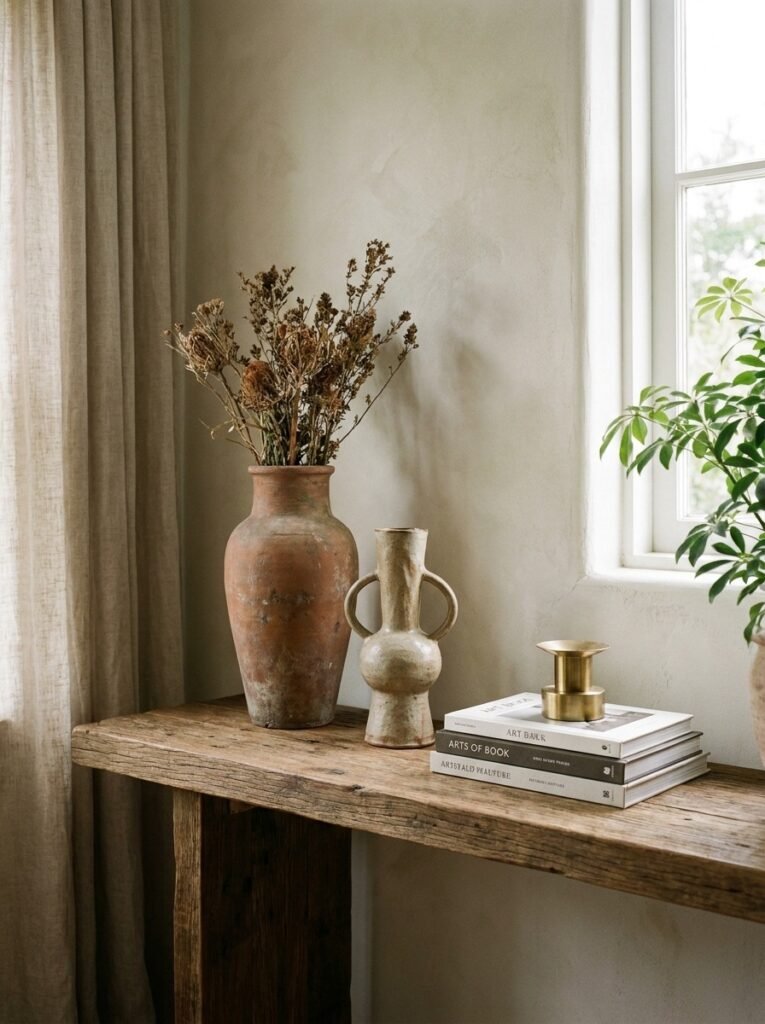
Grouping decorative objects in odd numbers, especially threes, creates a more visually balanced and naturally appealing arrangement than items grouped in even pairs. This simple principle, often called the rule of three, is one of the most reliable tricks professional stylists rely on repeatedly.
Odd-numbered groupings feel more dynamic because the eye can’t easily divide them into equal halves, creating subtle visual tension that keeps the arrangement interesting. This works for anything from books and vases to candles and framed photos throughout the home.
Apply this principle to shelves, coffee tables, and console styling for an instant improvement in how curated and intentional any grouping appears, regardless of the actual value or cost of the objects involved.
2. Vary Heights When Styling Shelves
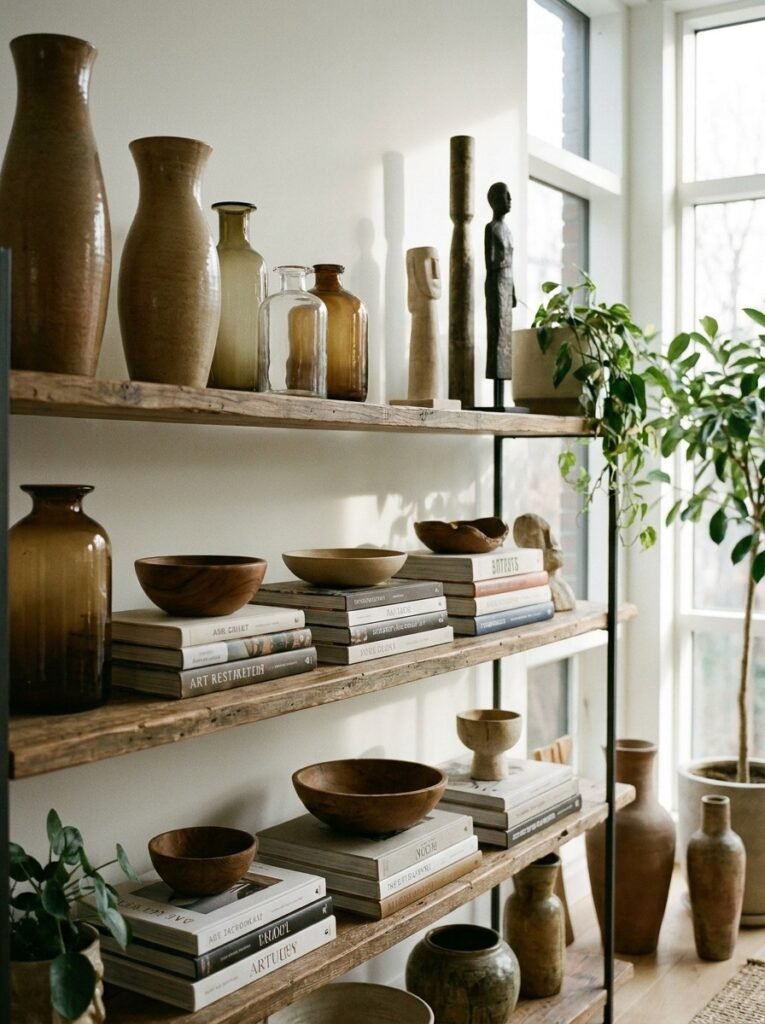
Varying the height of objects when styling a shelf or console creates visual movement that guides the eye naturally across the arrangement. A row of identically sized items tends to look flat and uninteresting, while staggered heights add genuine dimension and rhythm to the display.
Combine a tall vase or lamp with mid-height stacked books and a low decorative object for the most dynamic composition. This variation in scale mimics a skyline, creating natural visual interest without requiring any additional purchases beyond what you already own.
This technique applies to bookshelves, mantels, and coffee tables alike, offering one of the simplest ways to elevate an existing arrangement through rearrangement alone rather than new decor.
3. Add a Tray to Corral Items
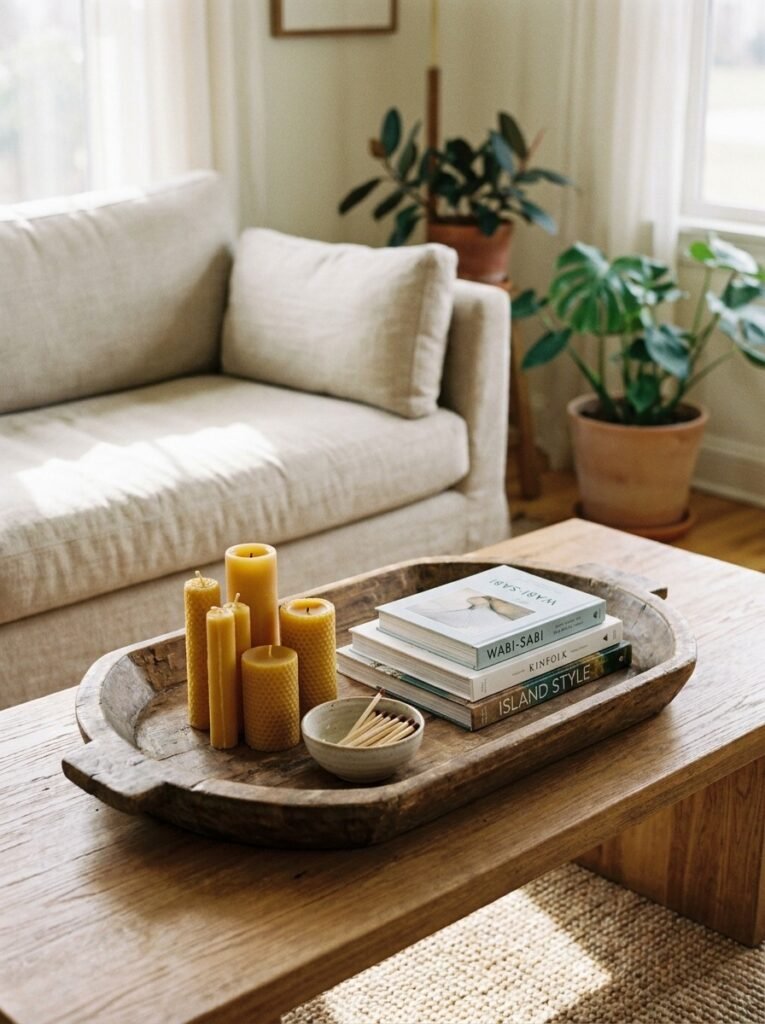
A simple decorative tray instantly organizes loose items on a coffee table, dresser, or bathroom counter, transforming scattered clutter into an intentional, styled vignette. This small addition creates a visual boundary that makes the surrounding surface feel more polished and less chaotic.
Choose a tray material that complements your existing decor, whether that’s wood, marble, or woven rattan, and group a few coordinating items within its borders. This contained approach makes even everyday items like remote controls or hand lotion look genuinely styled.
This trick works in nearly every room of the house, offering an inexpensive and immediate way to create order and visual cohesion on surfaces that tend to accumulate loose, mismatched items over time.
4. Layer Rugs for Texture
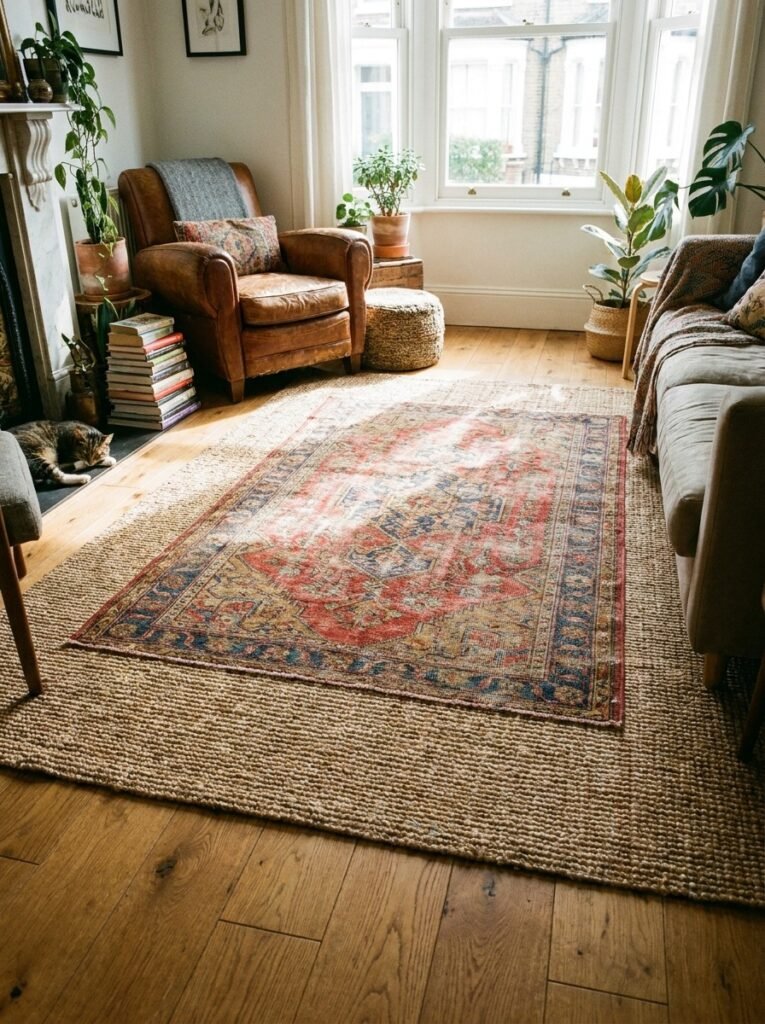
Layering a smaller patterned rug over a larger neutral base rug adds texture and visual depth to a room’s flooring. This technique, borrowed from professional interior design, creates a collected, curated look that feels more intentional than a single rug alone could achieve.
Choose a natural fiber rug like jute or sisal as the base layer, then add a smaller vintage or patterned rug on top for contrast. Position the smaller rug slightly off-center for a relaxed, effortless feel that avoids looking too perfectly matched.
This layered approach works particularly well in larger rooms with enough floor space to accommodate both rugs comfortably, adding warmth and personality underfoot without requiring an oversized single rug purchase.
5. Bring in Fresh Greenery
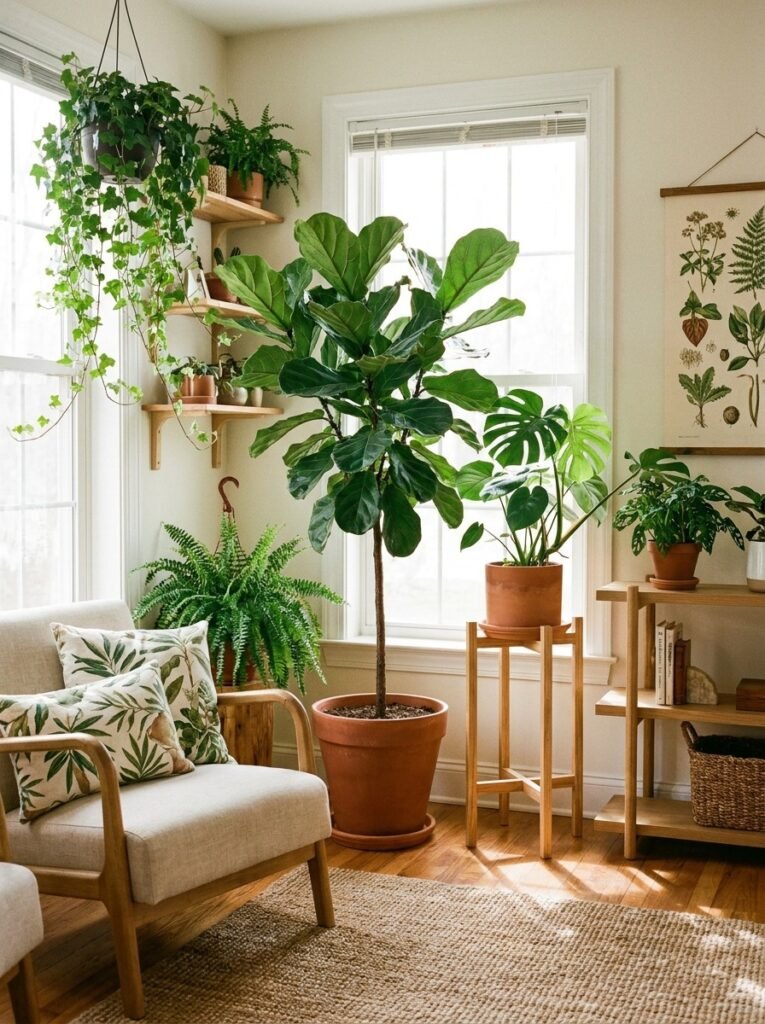
Fresh greenery, whether a single potted plant or a small vase of cut flowers, brings genuine life and color to any room. This simple addition softens hard edges and fills empty corners, offering one of the most reliable ways to make a space feel more finished and inviting.
Choose plant varieties suited to your room’s natural light levels, ensuring the greenery thrives rather than becoming another source of clutter or neglect. Even low-maintenance options like a snake plant or pothos deliver meaningful visual impact with minimal ongoing care required.
This styling tip costs relatively little compared to furniture or art, yet consistently ranks among professional designers’ most frequently used techniques for bringing warmth and freshness into a finished room.
6. Mix Textures Not Just Colors
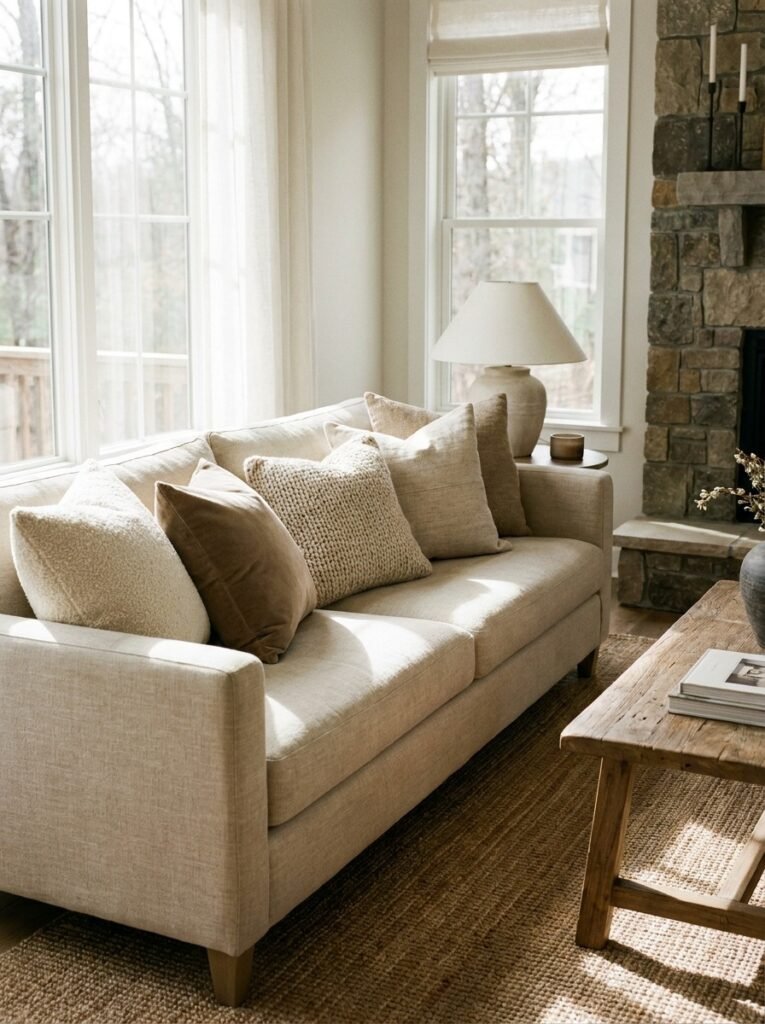
Mixing different textures, like linen, velvet, and bouclé, adds depth and sophistication to a room even within a limited color palette. Relying on color alone to create visual interest often overlooks texture’s equally important role in making a space feel layered and genuinely considered.
Combine smooth and nubby fabrics, matte and glossy finishes, or rough and soft materials within the same room for a tactile richness that flat, single-texture spaces simply cannot achieve. This approach works particularly well when working within a neutral or monochromatic color scheme.
This principle applies to throw pillows, furniture upholstery, and even wall treatments, offering a reliable way to add visual interest without necessarily introducing additional color or pattern into the space.
7. Use Books as Styling Props
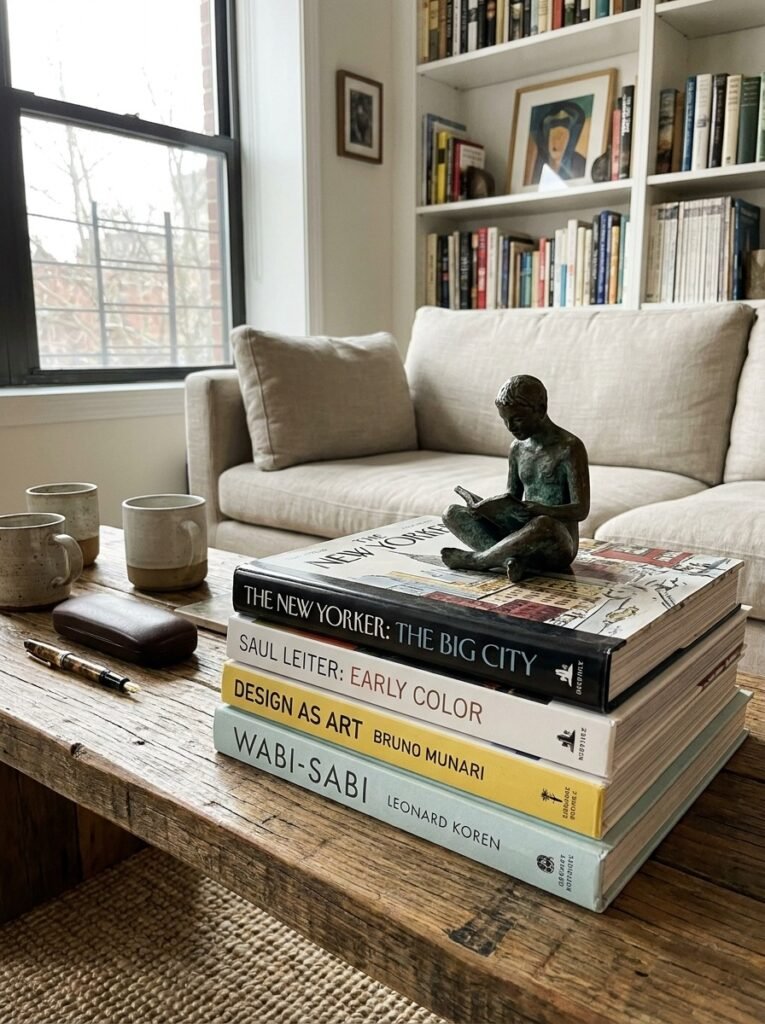
Books make excellent styling props beyond their reading function, offering both height variation and visual interest when stacked strategically throughout a room. A stack of coffee table books topped with a small decorative object instantly elevates an otherwise plain surface into a curated vignette.
Choose books with visually appealing spines or covers for the most polished stack, arranging them from largest at the bottom to smallest on top for natural stability. This technique also provides a useful base for raising smaller decorative items to a more visible height.
This nearly free styling trick makes use of items most households already own, proving that effective styling often requires creative rearrangement rather than new purchases specifically for decorative purposes.
8. Add a Mirror to Any Room
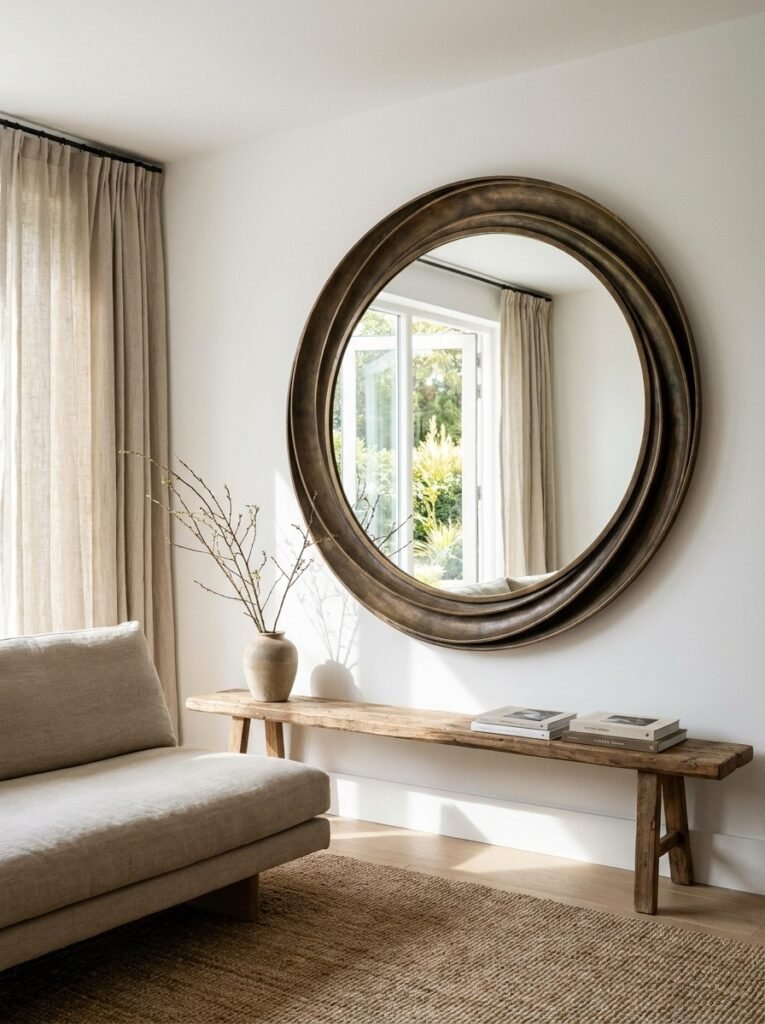
A well-placed mirror serves double duty in any room, reflecting light to brighten the space while also adding a decorative, sculptural element to the wall. This simple addition can make even a small or dimly lit room feel noticeably larger and more open.
Position the mirror to reflect a window or another light source for maximum brightening effect throughout the day. An oversized mirror often makes more visual impact than several smaller ones, so consider sizing up when choosing this addition for any given wall.
This styling tip applies to nearly every room in the home, from entryways and hallways to living rooms and bedrooms, offering a consistently effective way to enhance both light and style simultaneously.
9. Swap Hardware for Instant Update
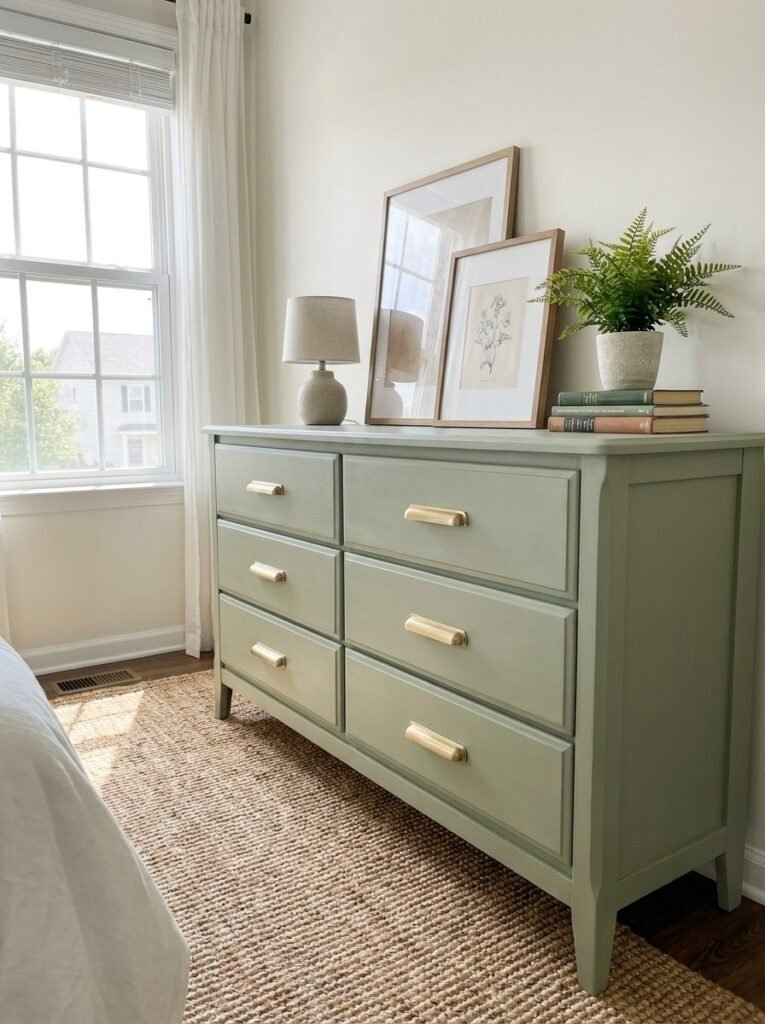
Swapping outdated cabinet or drawer hardware for a more current finish, like brass or matte black, delivers a surprisingly significant visual upgrade for relatively little cost or effort. This small project typically requires only a screwdriver and can usually be completed within an hour or two.
Choose a consistent finish across all furniture pieces within a room, or the entire home, for the most cohesive, intentional appearance. This unified approach mimics the kind of thoughtful, coordinated design typically associated with more expensive interior design services.
This quick styling update proves that meaningful transformation often lives in small details rather than major furniture replacements, making it one of the most cost-effective styling tricks available.
10. Create a Focal Point Per Room
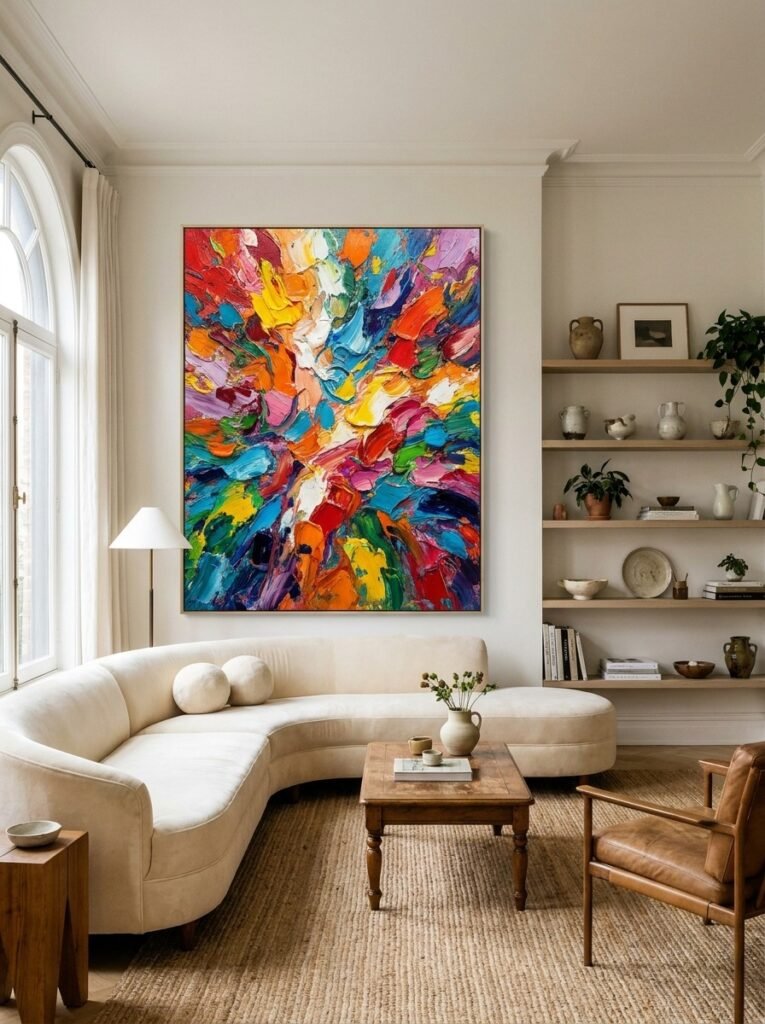
Establishing a single, clear focal point in each room, whether that’s a piece of art, a fireplace, or a statement light fixture, gives the space a sense of intentional design rather than scattered, competing elements. This anchor point guides how the rest of the room’s decor should support it.
Once identified, arrange furniture and decor to complement rather than compete with this focal point, ensuring nothing else in the room pulls equal visual weight. This hierarchy creates a more cohesive, professionally styled feeling throughout the space.
This principle works in any room size or style, offering a reliable framework for organizing decor decisions around one central, intentional design statement rather than an unfocused collection of individually nice items.
11. Edit Down Before Adding More
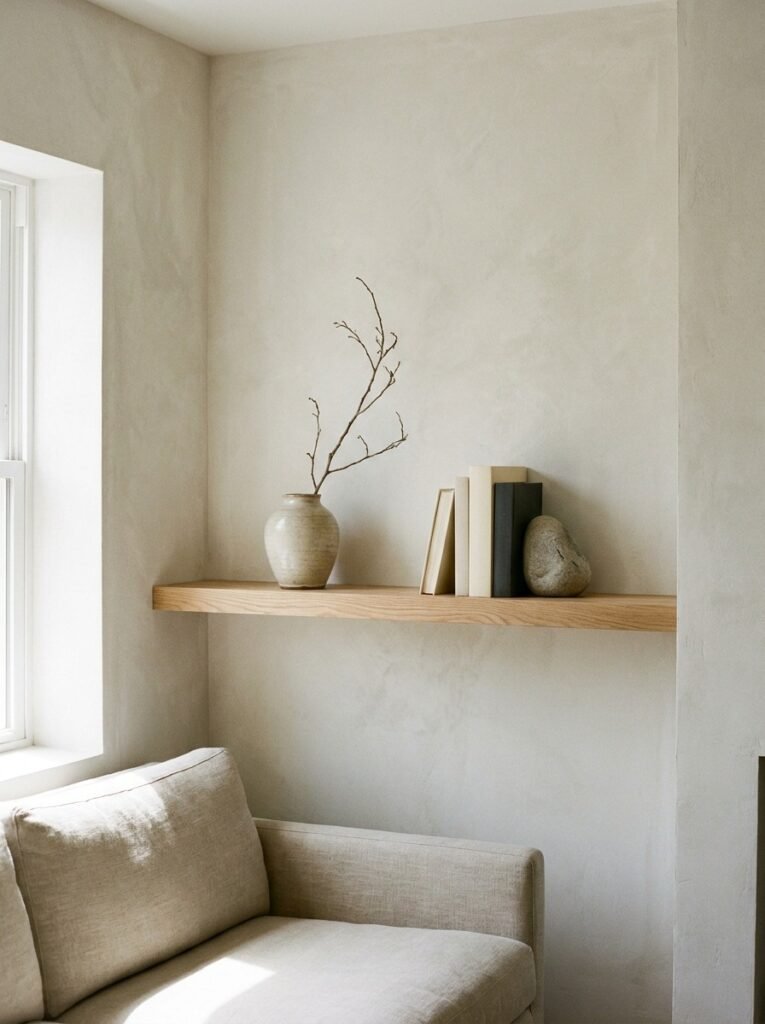
Editing down existing decor before purchasing anything new often solves styling problems more effectively than adding additional items. Removing even a few pieces from an overcrowded shelf or surface frequently reveals a more polished, intentional arrangement hiding beneath the clutter all along.
This principle requires discipline rather than money, asking whether each item genuinely earns its place in the room or simply fills space out of habit. Being selective about what remains visible directly impacts how sophisticated and considered the overall space ultimately feels.
This free styling technique should typically precede any new purchase, since a cluttered foundation will undermine even the most beautiful new decor addition placed within an already overcrowded arrangement.
12. Use Lighting to Set Mood
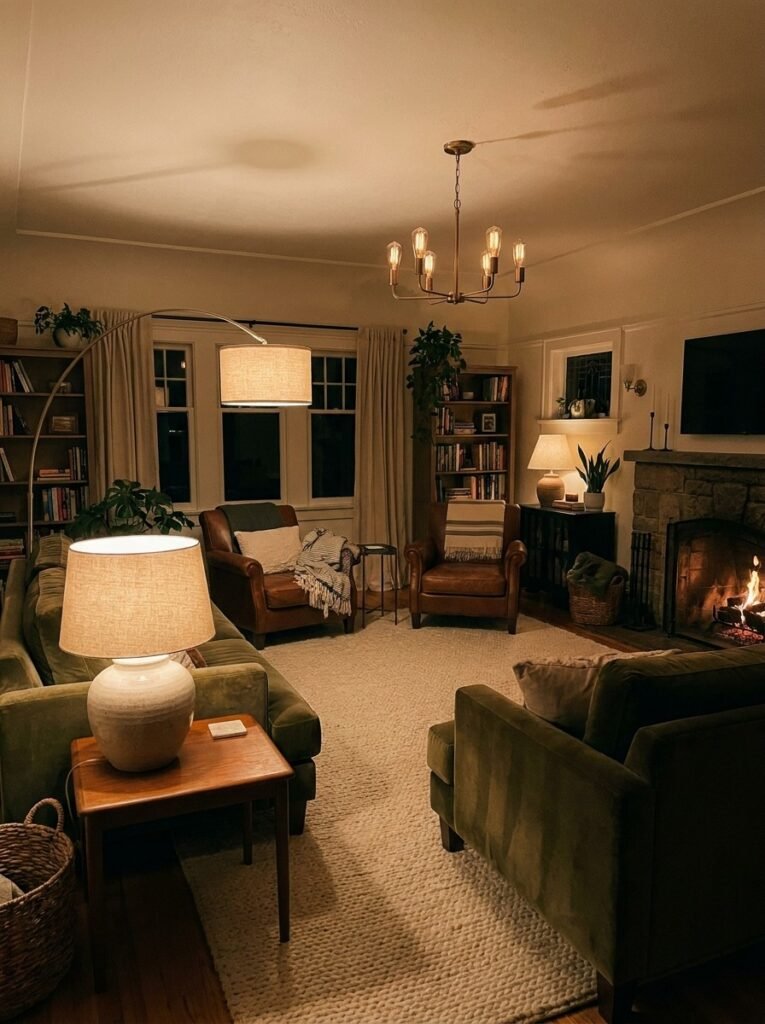
Layering multiple light sources throughout a room, rather than relying on a single overhead fixture, dramatically improves the overall mood and atmosphere. Combining floor lamps, table lamps, and dimmable fixtures allows the lighting to adjust based on time of day or specific activity.
Choose warm-toned bulbs rather than harsh, cool white light for the most relaxing, inviting ambiance throughout living spaces and bedrooms. This warmer light consistently reads as more sophisticated and comfortable than colder alternatives commonly found in overhead fixtures.
This styling principle significantly impacts how a room feels beyond its visual decor alone, proving that lighting quality often matters just as much as furniture or accessories when creating a genuinely inviting space.
13. Add Movement with Curves
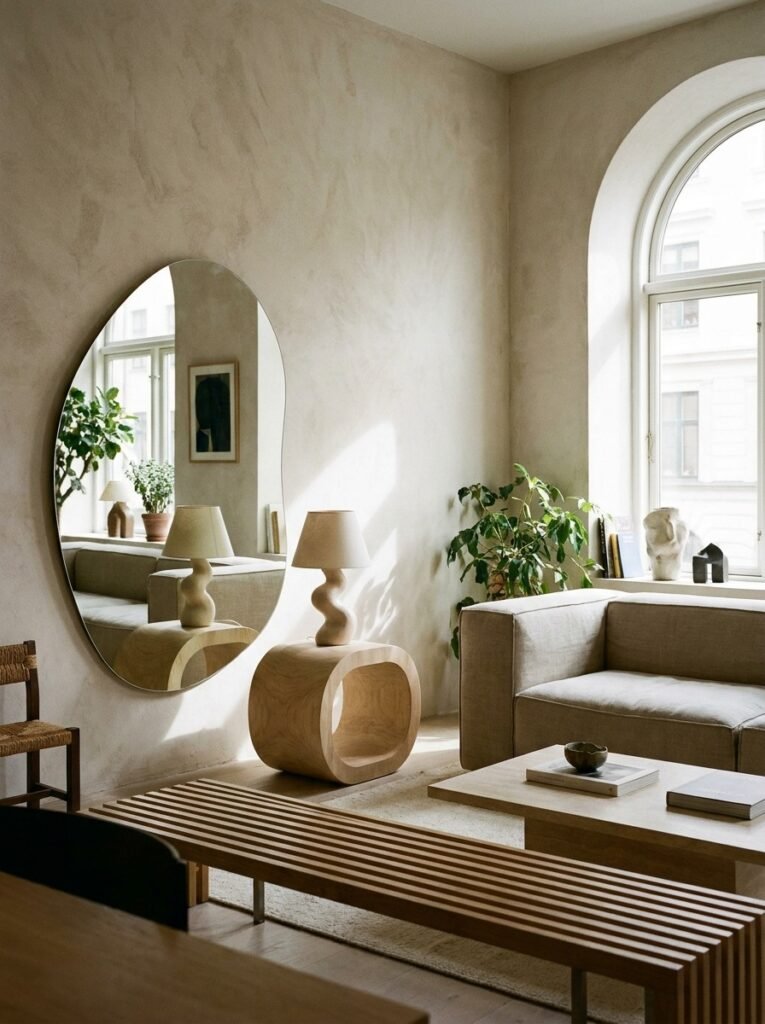
Introducing curved shapes, like a round mirror or an arched piece of furniture, adds visual movement and softness to a room dominated by straight lines and sharp angles. This contrast prevents the space from feeling overly rigid or predictable, adding genuine dynamism to the overall composition.
Choose one or two curved pieces to introduce this softening effect, rather than replacing every furniture item at once. A single rounded coffee table or arched mirror often provides enough contrast to meaningfully shift the room’s overall visual energy.
This principle works particularly well in modern or minimalist spaces where straight lines otherwise dominate, offering an easy way to add warmth and movement without abandoning the room’s overall clean aesthetic.
14. Style with a Color Story
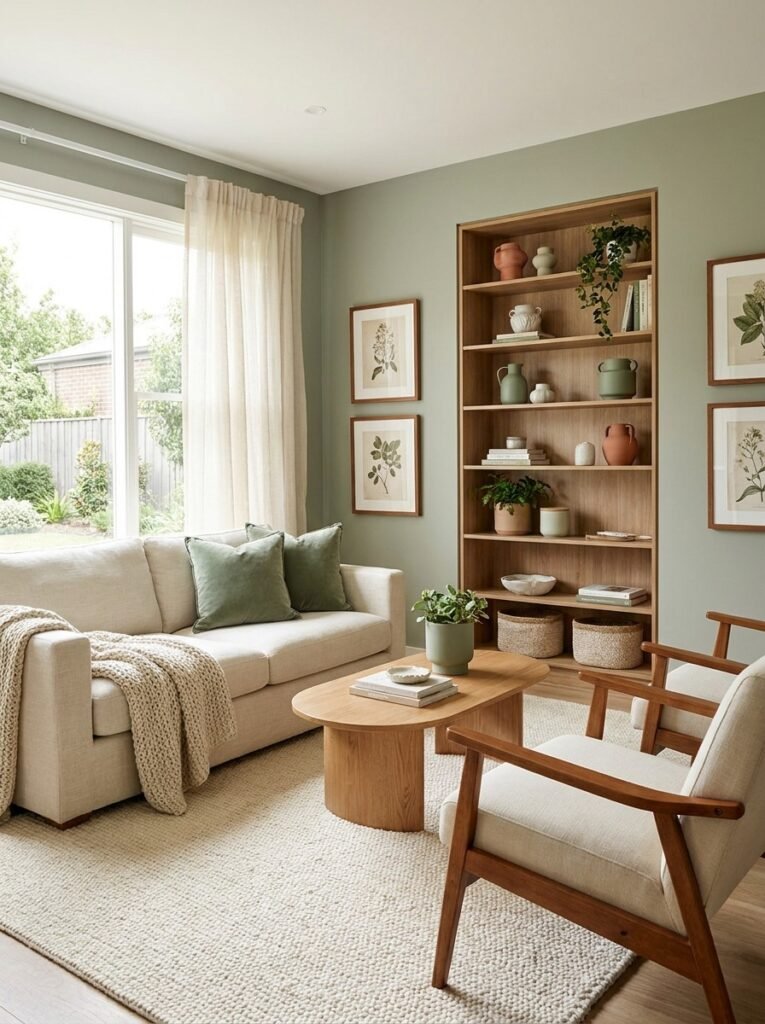
Choosing a specific color story, typically two or three complementary tones, and applying it consistently throughout a room’s decor creates a cohesive, intentional feeling. Random color choices scattered without a clear plan tend to make a space feel disjointed regardless of how nice individual pieces might be.
Select colors that naturally complement each other, then look for opportunities to repeat these tones through pillows, art, and smaller accessories throughout the room. This repetition ties the space together even when working with furniture pieces acquired at different times.
This principle proves particularly valuable when styling on a budget, since existing furniture in neutral tones can easily incorporate a new color story through affordable accessories rather than requiring complete replacement.
15. Use Negative Space Intentionally
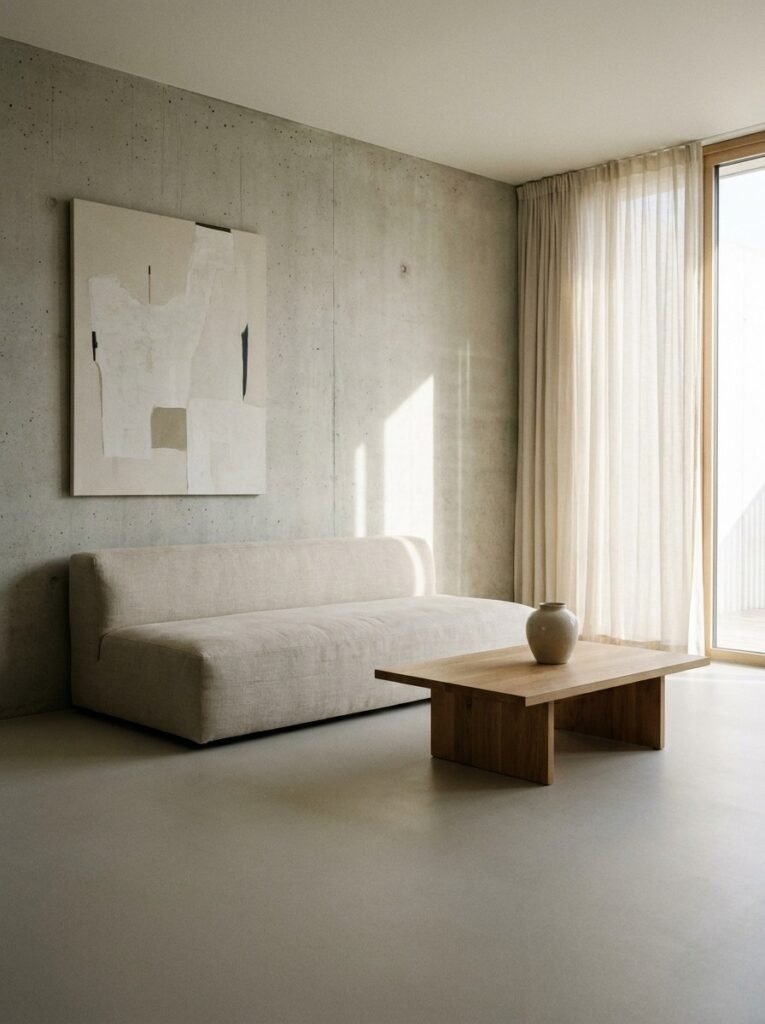
Leaving deliberate empty space, or negative space, around furniture and decor is just as important as the items you choose to display. Overcrowded rooms tend to feel chaotic and stressful, while intentional breathing room allows each individual piece to be genuinely appreciated.
This principle applies to shelving, wall art, and furniture arrangement alike, resisting the urge to fill every available inch of space with an object or decoration. Professional stylists consistently rely on negative space to create the calm, polished feeling associated with well-designed rooms.
This free styling technique requires restraint rather than purchases, proving that sometimes the most impactful design decision is choosing what to leave out of a space entirely.
16. Add Personal Touches Sparingly
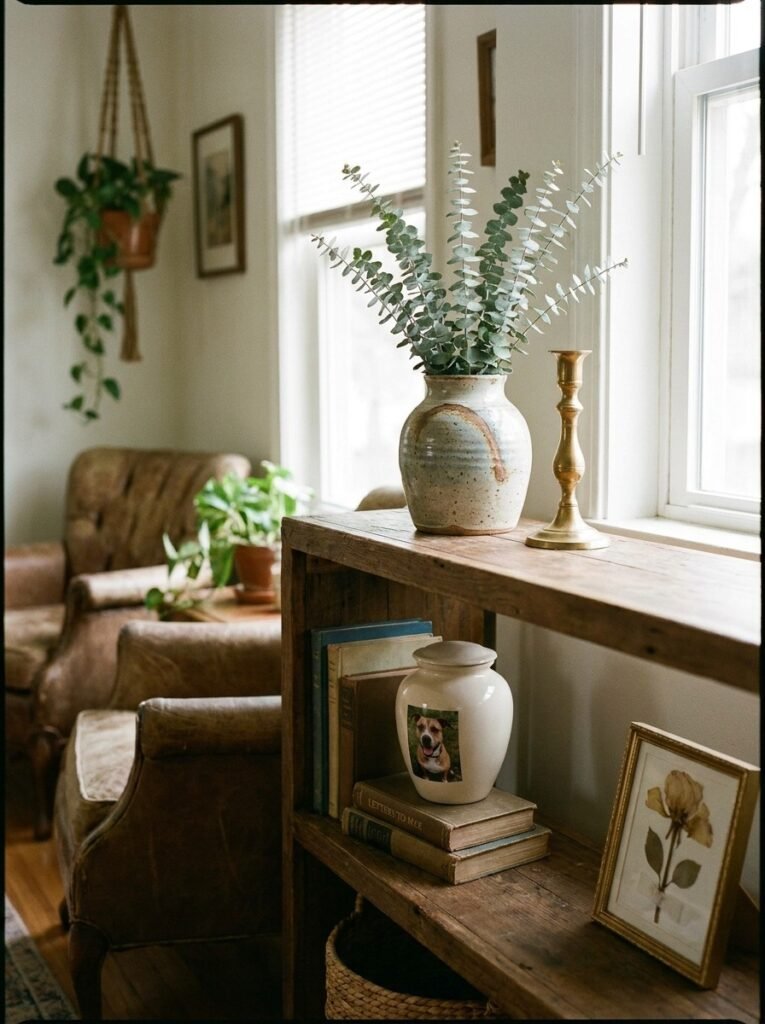
Incorporating a few genuinely meaningful personal items, like travel souvenirs or family photos, adds authenticity to a styled room without overwhelming the overall design. These pieces tell a personal story that purely decorative, purchased items simply cannot replicate on their own.
Choose a select few personal pieces to display prominently rather than showcasing every sentimental item you own, since too many can quickly overwhelm the space and undermine an otherwise cohesive design. Restraint here matters just as much as it does with purely decorative objects.
This balance between curated design and genuine personal expression creates a home that feels both professionally styled and authentically lived-in, avoiding the sterile, showroom feeling that purely decorative spaces can sometimes convey.
17. Anchor Furniture with a Rug
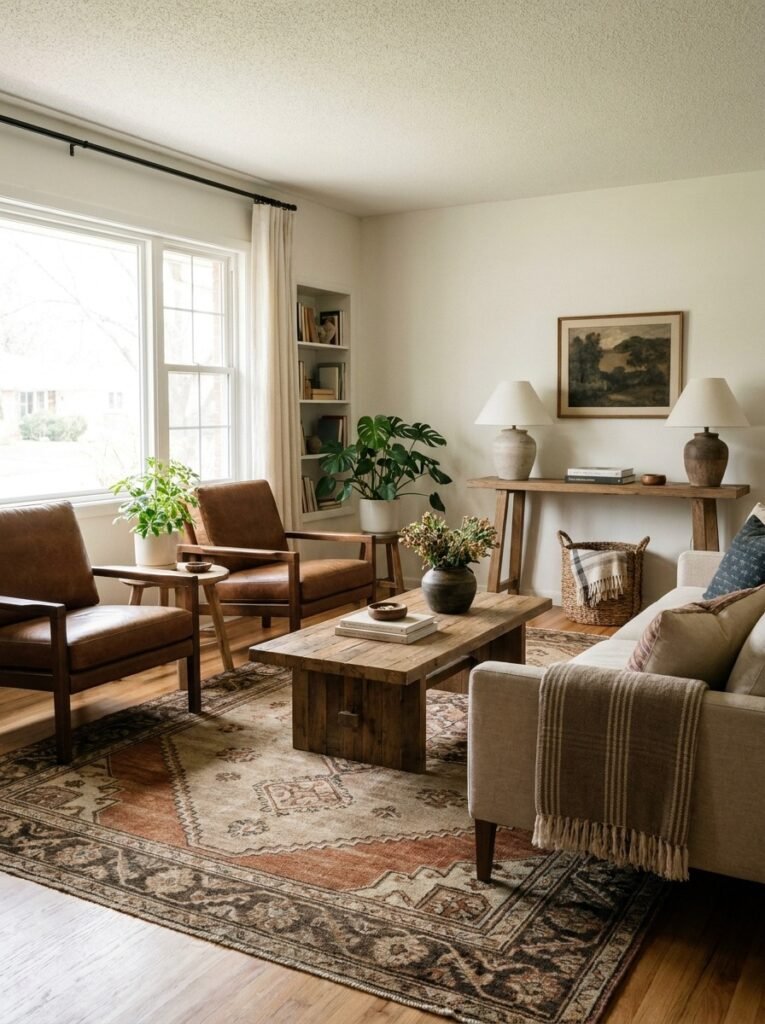
Choosing a rug large enough for all furniture legs to rest at least partially on top of it creates a properly anchored, cohesive seating arrangement. A rug that’s too small, with furniture floating around its edges, tends to make the entire room feel disconnected and improperly scaled.
Measure your seating area carefully before purchasing a rug, erring toward a larger size than initially feels necessary. This properly scaled foundation ties the furniture arrangement together, creating the grounded, intentional look professional designers consistently prioritize in their room layouts.
This principle applies to living rooms, bedrooms, and dining areas alike, offering one of the most impactful but frequently overlooked rules in furniture arrangement and overall room proportion.
18. Balance Symmetry with Asymmetry
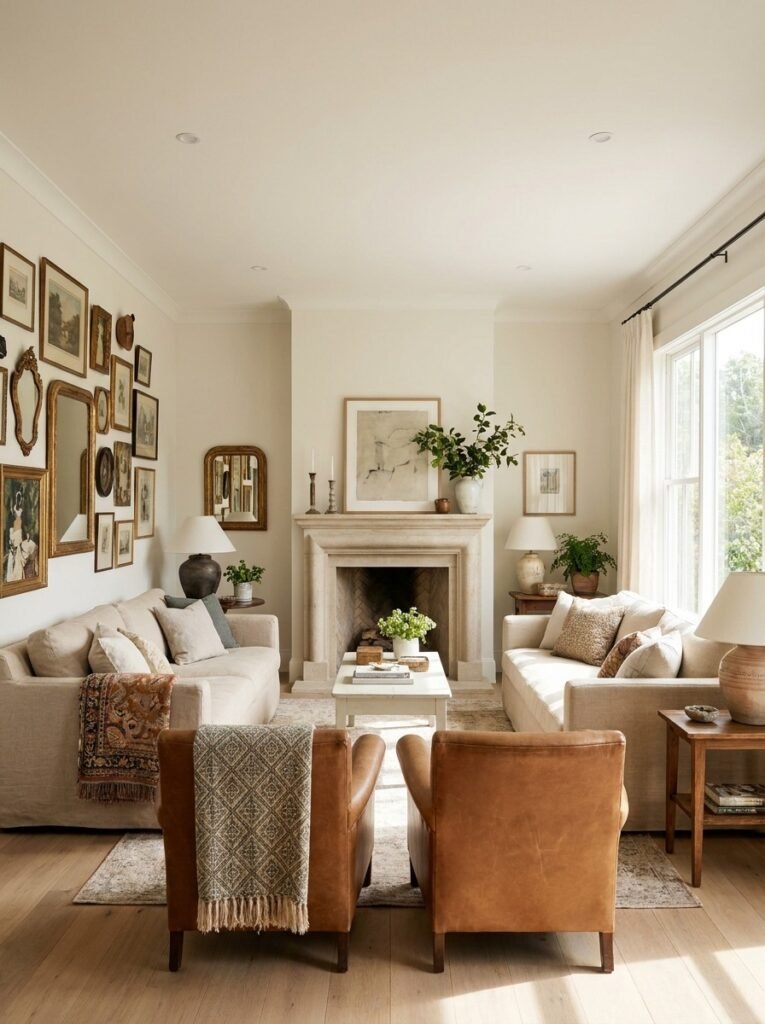
Combining symmetrical elements, like matching chairs or lamps, with asymmetrical touches, like an off-center gallery wall, creates a room that feels both balanced and genuinely dynamic. Pure symmetry throughout an entire space can feel overly formal, while complete asymmetry can feel chaotic without some grounding structure.
Choose one or two symmetrical anchors within the room, then allow smaller decorative choices to break that pattern more freely. This combination creates visual interest while still maintaining an overall sense of intentional, professional balance throughout the space.
This principle works particularly well for those wanting their home to feel curated rather than overly formal or showroom-like, offering flexibility within an otherwise structured design approach.
19. Use Scale to Create Drama
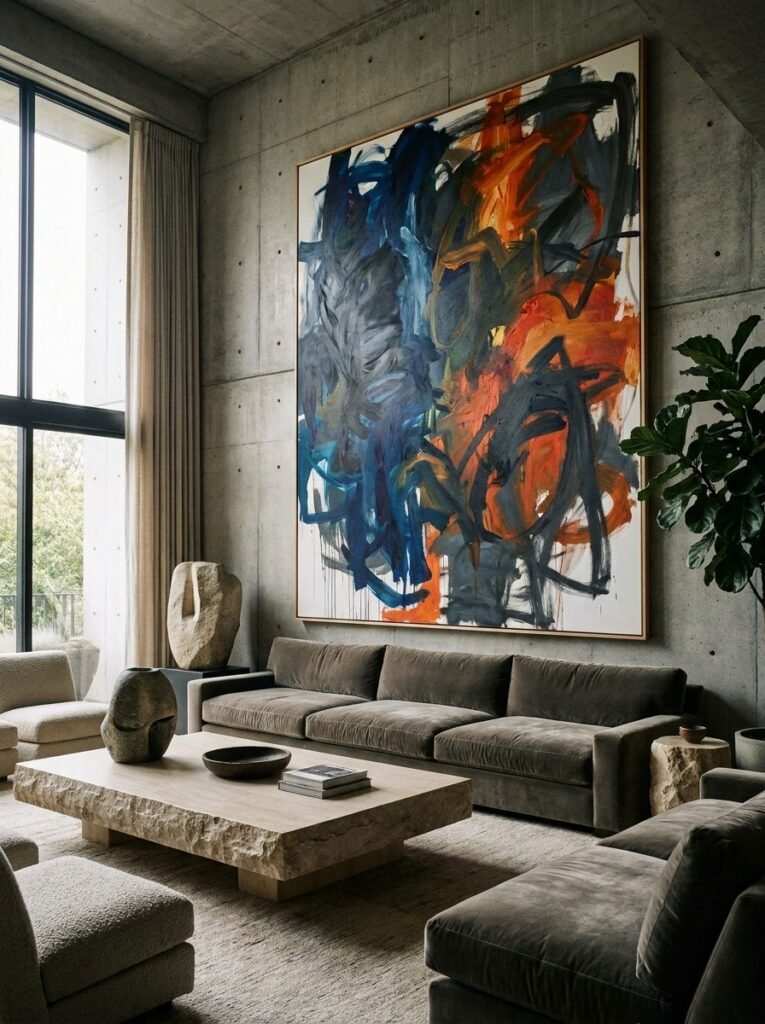
Choosing decor and art at a larger scale than initially feels comfortable often delivers more impact than several smaller pieces combined. A single oversized artwork or an intentionally large mirror creates genuine drama and confidence, while undersized decor can make a room feel timid or underdesigned.
This principle particularly applies to art above a sofa or bed, where a piece scaled appropriately to the furniture below creates proper visual proportion. Undersized art in this context is one of the most common styling mistakes that immediately reads as amateur.
This tip requires sizing up more than feels initially intuitive, but the resulting confidence and impact typically justifies the adjustment once the piece is properly installed within the space.
20. Repeat Elements for Cohesion
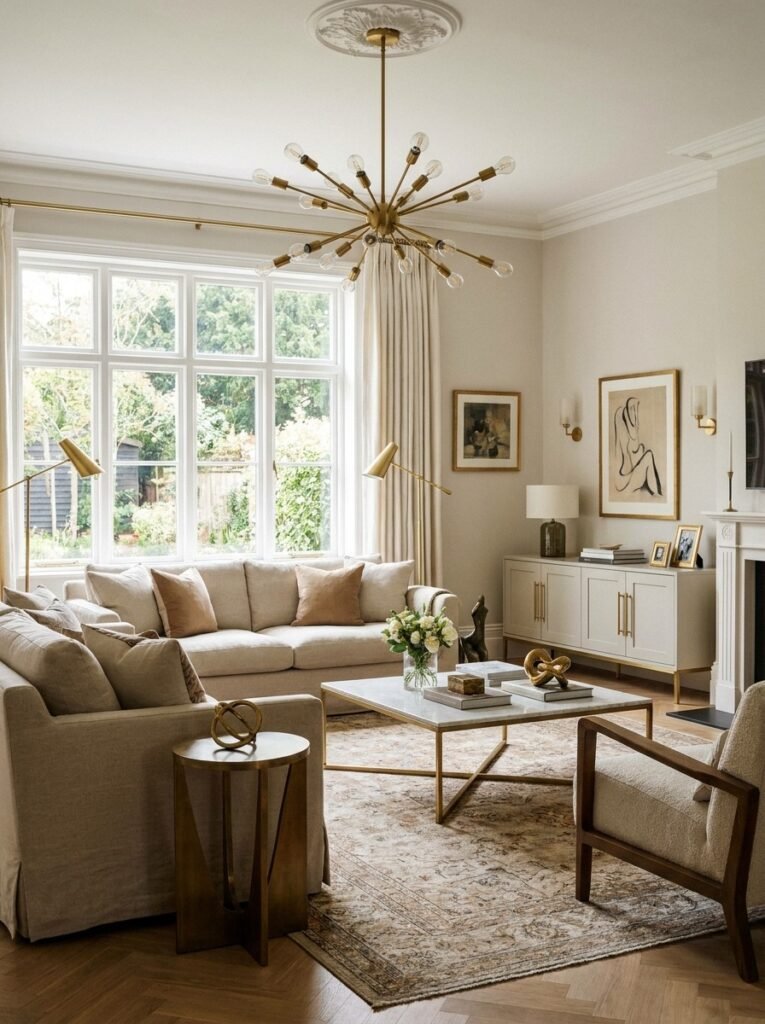
Repeating a specific material, color, or shape throughout a room ties together items acquired at different times, creating cohesion even when the individual pieces don’t perfectly match. This technique proves particularly useful for those building a room’s decor gradually rather than purchasing everything at once.
Choose an element, like brass finishes or a specific shade of green, and look for opportunities to incorporate it two or three times throughout the space. This repetition signals intentional design without requiring every item to match precisely or come from the same collection.
This principle offers a flexible, budget-friendly way to unify a room over time, allowing new purchases to feel cohesive with existing decor simply by echoing an established color or material theme.
21. Add Texture with Throws and Pillows
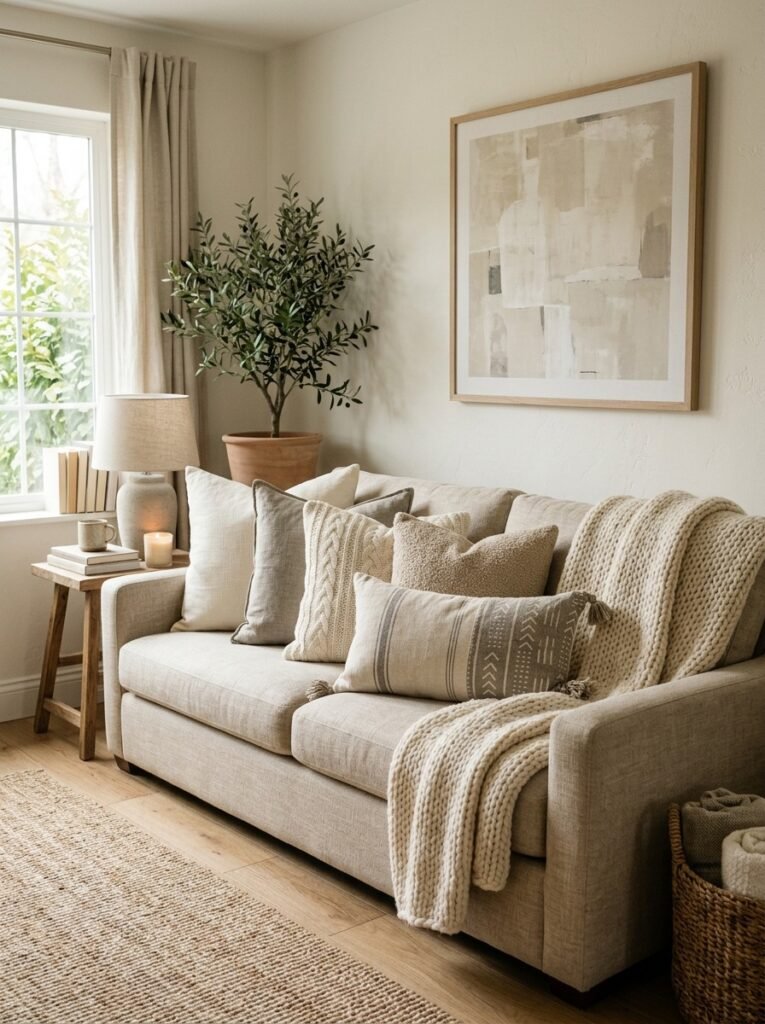
Throw pillows and blankets offer one of the most affordable and flexible ways to add texture and seasonal updates to a room. Layering a chunky knit throw with a mix of pillow textures, like velvet, linen, and bouclé, instantly makes a sofa or bed feel more inviting.
This technique also allows for easy seasonal rotation, since throw pillows and blankets can be swapped affordably compared to larger furniture updates. Choosing a cohesive color palette across these smaller textiles maintains visual harmony while still introducing variety and texture throughout the year.
This low-commitment styling tip offers significant return on a relatively small investment, making it one of the most accessible ways to refresh a room’s overall feel without a larger renovation.
22. Step Back and Reassess Often
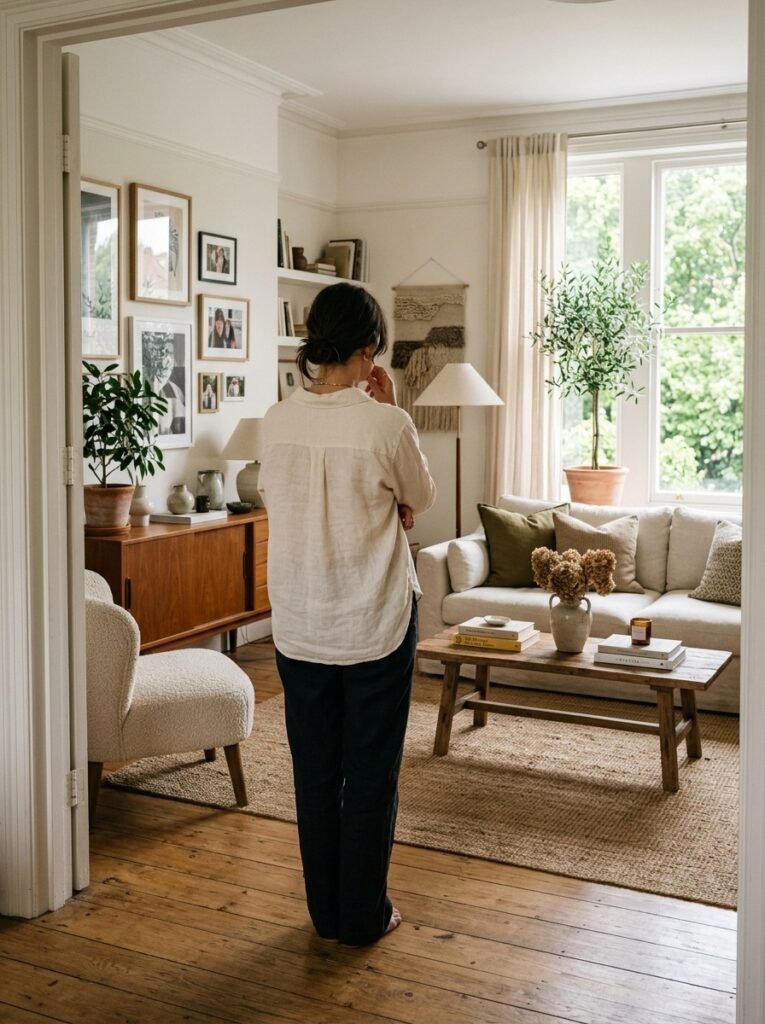
Regularly stepping back to view a room from across the space, or even photographing it, helps identify styling issues that are harder to notice up close. This practice reveals imbalances in scale, color, or arrangement that become obvious once viewed from a genuine distance.
Professional designers consistently use this technique throughout the styling process, adjusting placement and decor based on how the room reads as a complete composition rather than focusing solely on individual pieces in isolation. A phone photo often reveals issues even more clearly than the naked eye alone.
This free habit costs nothing but a few minutes of reflection, yet it consistently improves styling decisions by encouraging a more objective, holistic view of the room’s overall composition and balance.
The best home styling tricks rarely require a big budget — they come down to how thoughtfully you arrange, edit, and layer what’s already in the room. From grouping objects in threes and varying shelf heights to using scale for drama and stepping back to reassess, these 22 tips prove that professional-looking design is really just a set of small, repeatable habits.
The most useful part of this approach is that these tips work together. A room styled with a clear color story, intentional negative space, and a few layered textures will almost always feel more polished than one relying on a single expensive statement piece to do all the work.
As with any styling project, give yourself permission to experiment and adjust as you go. Save your favorite tips from this list, apply a few at a time to the rooms that need it most, and enjoy watching your space come together with more intention and confidence.