
21 Kitchen Rule of 3 Design Ideas to Try
The rule of three is one of the most trusted principles in interior design, suggesting that objects grouped in odd numbers, especially threes, feel more visually balanced and naturally appealing than items grouped in pairs or larger even sets. Applied to the kitchen, this simple styling trick can transform countertops, shelves, and vignettes into curated, magazine-worthy moments. These 21 kitchen rule of three design ideas will help you style your space with intention and effortless balance.
1. Three Pendant Lights Over Island
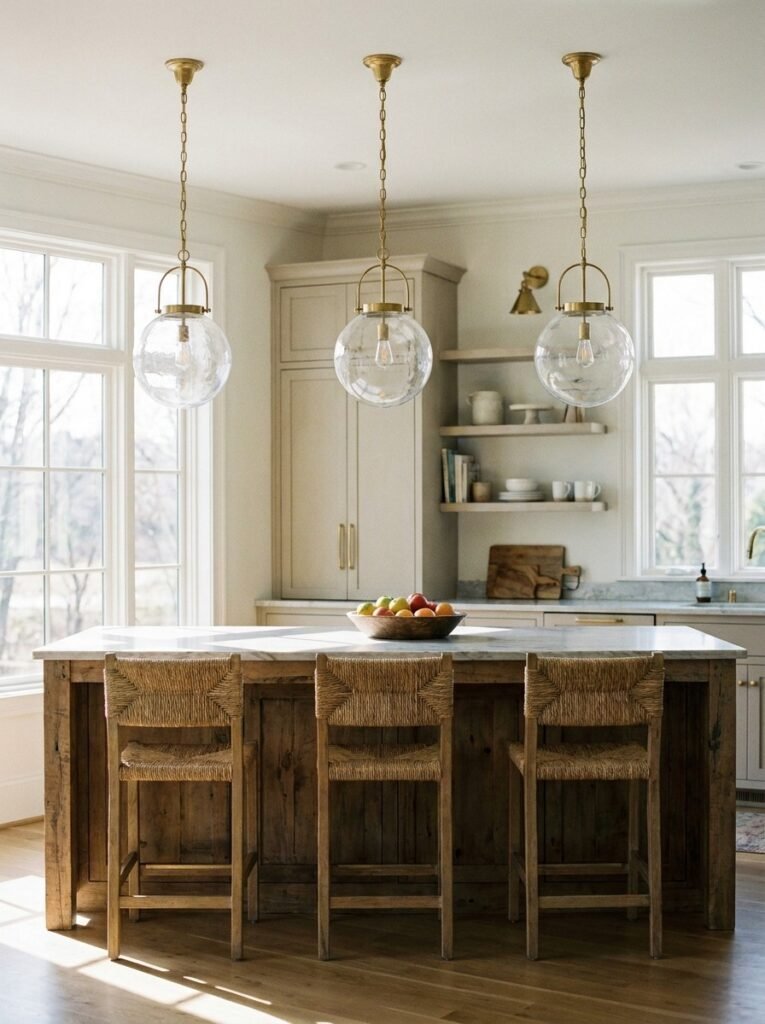
Three pendant lights hung evenly above a kitchen island is one of the most classic applications of the rule of three in kitchen design. This grouping creates visual rhythm and balance, drawing the eye across the island’s length in a way that a single fixture or an even pair simply cannot achieve.
Choose pendants that match in style and finish for a cohesive, intentional look, spacing them evenly for the most polished appearance. This lighting arrangement works particularly well over longer islands, where the repetition of three fixtures helps fill the space proportionally.
Beyond the visual benefit, three pendants also provide more even, functional task lighting across the entire island surface. This practical and aesthetic combination makes it one of the most popular and enduring rule of three applications in modern kitchen design.
2. Countertop Vignette Trio
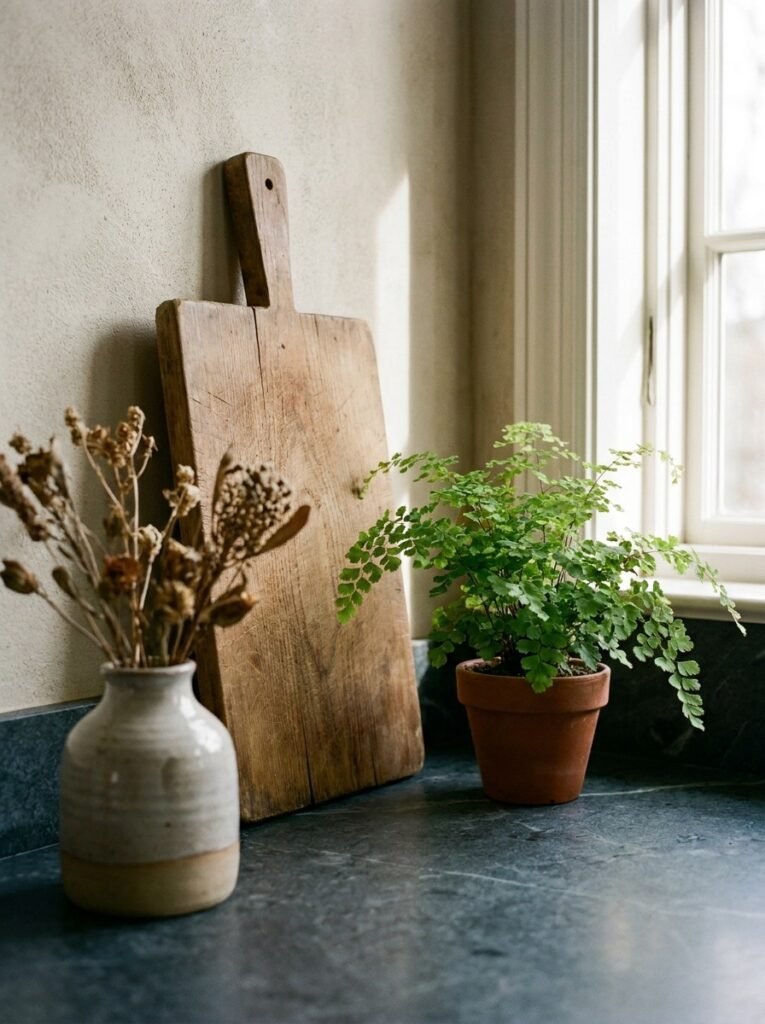
A countertop vignette featuring three carefully chosen objects creates a styled, intentional moment without cluttering the workspace. This small grouping, often combining a functional item like a cutting board with a decorative piece like a vase, adds personality while still keeping the counter usable.
Vary the height and texture of the three objects for the most visually dynamic arrangement, avoiding items of identical size or shape. A tall vase, a mid-height plant, and a low, flat cutting board create natural visual movement that draws the eye smoothly across the grouping.
This styling technique works especially well near a stove or sink area that otherwise tends to look purely utilitarian. Rotating the three items seasonally keeps the vignette feeling fresh while maintaining the balanced structure the rule of three provides.
3. Open Shelf Styling in Threes
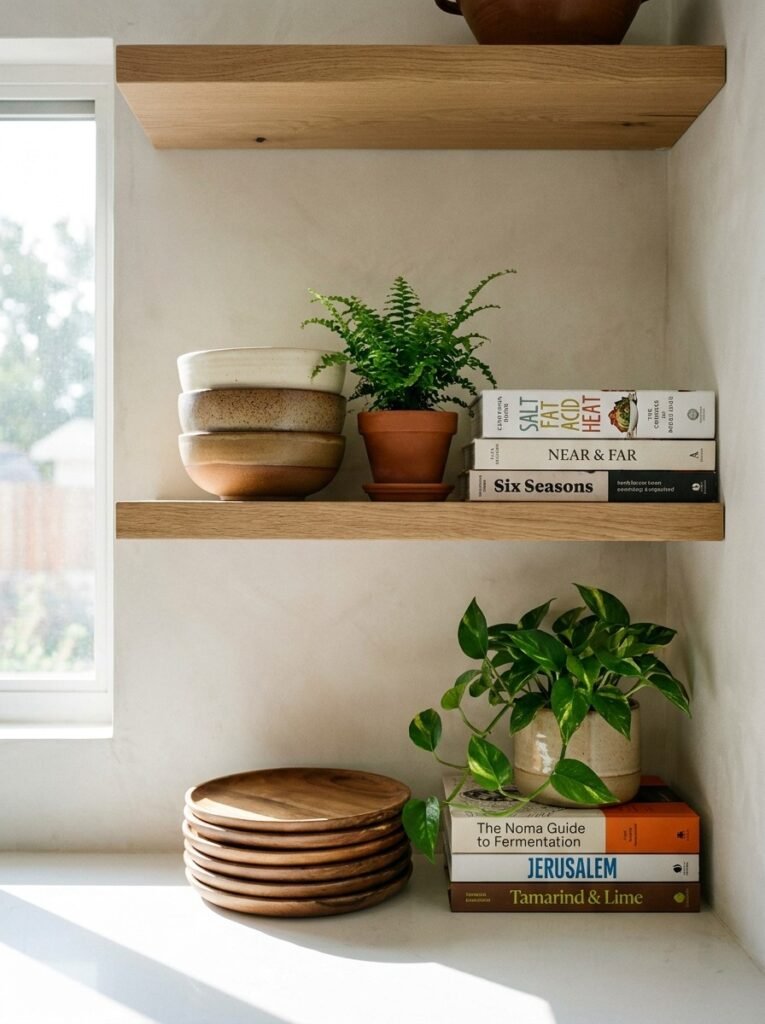
Open shelving benefits enormously from the rule of three, since exposed storage can quickly look cluttered or chaotic without an intentional grouping strategy. Organizing items into small trios, rather than lining everything up evenly, creates a more curated, boutique-style display throughout the shelving unit.
Each shelf can feature its own trio, such as a stack of bowls, a small plant, and a decorative object, repeated with variation across multiple shelves. This approach maintains visual consistency while still allowing each grouping to feel distinct and thoughtfully composed rather than repetitive.
Leave adequate negative space around each trio so the groupings don’t feel cramped or overcrowded. This breathing room is essential to making the rule of three actually read as balanced rather than simply busy.
4. Canister Set of Three
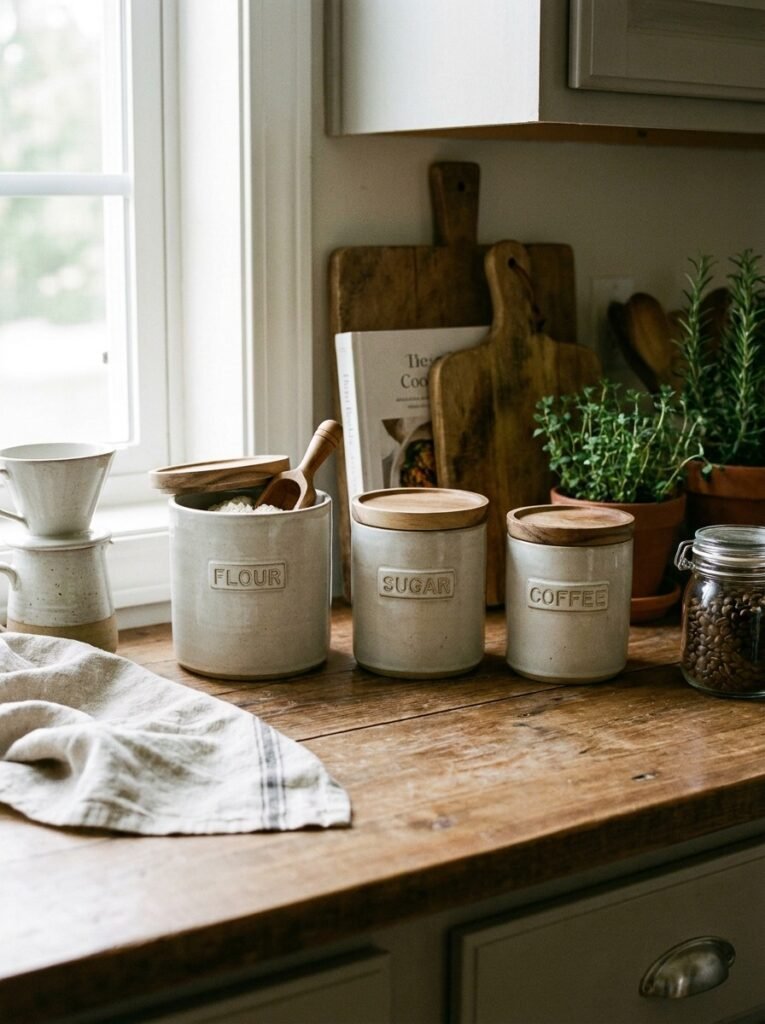
A matching canister set of three brings both function and visual order to the kitchen counter, typically holding staples like flour, sugar, and coffee in a cohesive, attractive display. This practical application of the rule of three replaces mismatched bags and boxes with a genuinely styled arrangement.
Choose canisters in varying sizes to reflect their contents’ typical volume, creating natural visual hierarchy within the trio. A graduated size progression, from largest to smallest, also reinforces the balanced, intentional feel central to the rule of three principle.
Position the canister trio along an open stretch of counter for maximum visibility and function. This straightforward styling choice proves that the rule of three can be just as practical as it is decorative within an everyday kitchen routine.
5. Three Cutting Boards Display
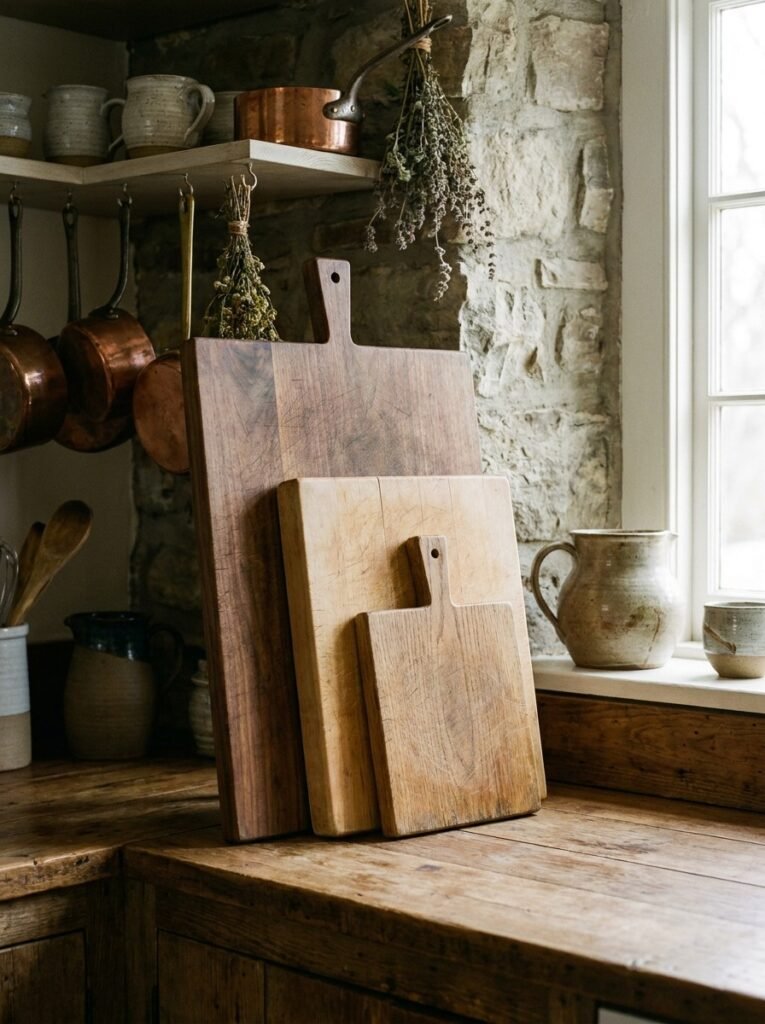
Displaying three cutting boards together, whether leaned against a backsplash or stacked on the counter, turns an everyday kitchen tool into a styled design element. Varying wood tones and board shapes within the trio adds natural texture and visual interest to what might otherwise be purely functional storage.
Choose boards in three distinctly different sizes for the clearest visual hierarchy, from a large board for bread down to a small one for citrus or herbs. This graduated arrangement creates a naturally balanced composition that also happens to be genuinely useful for everyday cooking.
This display works particularly well in kitchens with limited storage, keeping frequently used boards accessible while doubling as decor. The rule of three ensures the arrangement feels curated rather than like a random pile of kitchen tools.
6. Windowsill Plant Trio
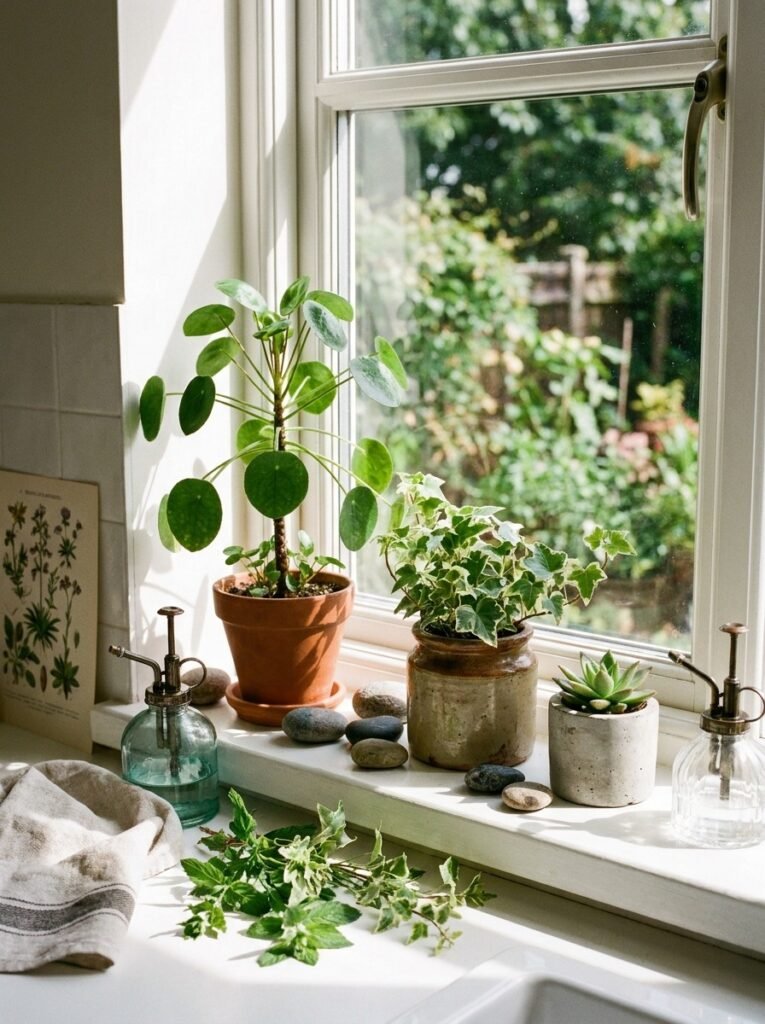
Three small potted plants along a kitchen windowsill bring life and natural texture to an often underutilized ledge. This grouping might include a trailing herb, a small succulent, and a taller leafy plant, creating varied height and visual interest within the compact windowsill space.
Choose pots in a coordinating material or color, like terracotta or white ceramic, to unify the trio even as the individual plants vary in type and size. This consistency in vessel choice helps the grouping read as intentional rather than randomly assembled over time.
This small-scale application of the rule of three works particularly well in kitchens with limited counter space, making efficient use of a windowsill that might otherwise remain empty. The plants also offer genuine functional value if herbs are included in the mix.
7. Three Bar Stools at Island
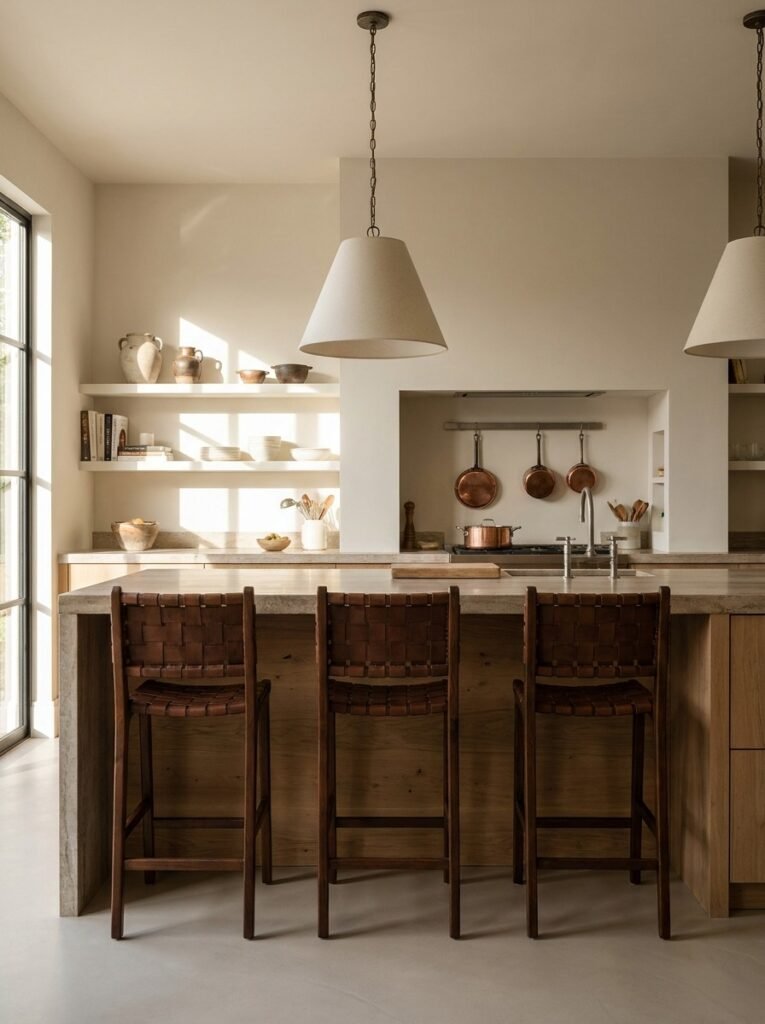
Three bar stools positioned along a kitchen island creates a balanced, symmetrical seating arrangement that suits most standard island lengths. This grouping avoids the awkward gap or crowding that can occur with an even number of stools, instead offering natural visual rhythm across the island’s length.
Choose stools with a consistent design and finish for the most cohesive look, spacing them evenly to align with any pendant lighting fixtures overhead. This coordinated approach between seating and lighting reinforces the overall sense of intentional, balanced design throughout the kitchen.
Three stools also tend to encourage more comfortable elbow room during use compared to a tightly packed even number. This practical benefit pairs naturally with the aesthetic advantages the rule of three brings to island seating arrangements.
8. Trio of Wall Art Prints
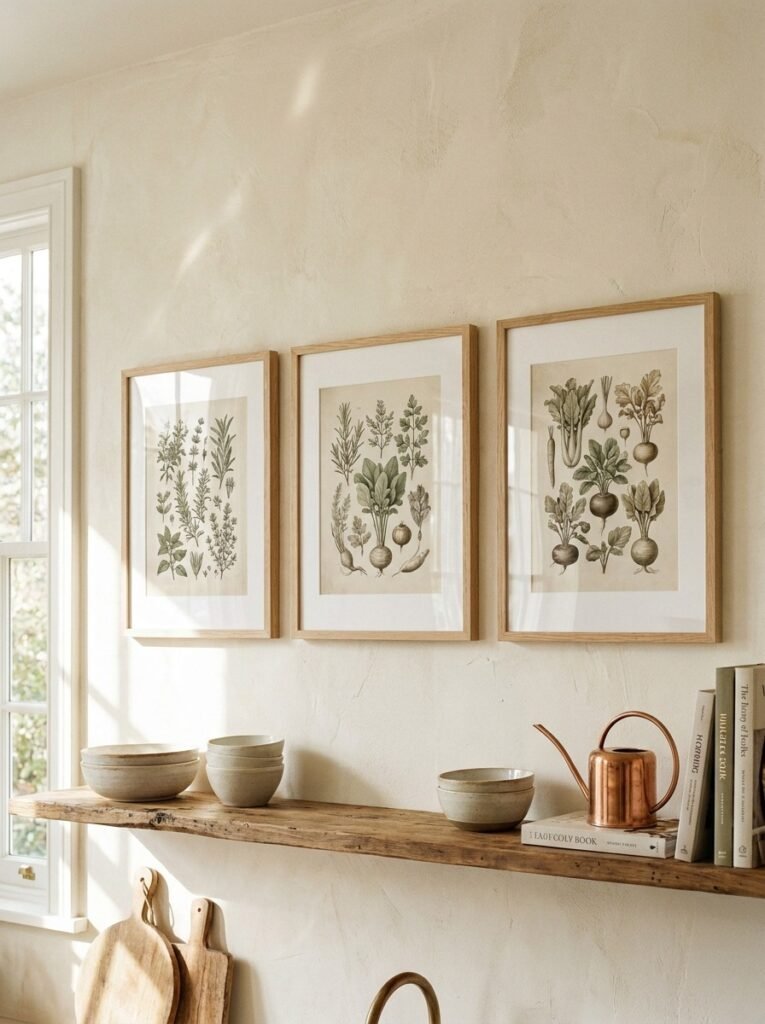
A trio of wall art prints displayed in a horizontal row brings personality to an empty kitchen wall without the complexity of a full gallery arrangement. This simple, structured grouping works particularly well above a stretch of counter, a breakfast nook, or beside the pantry door.
Choose prints that share a common theme, like botanical illustrations or simple line drawings, in matching or coordinating frames for a polished, cohesive look. Spacing the three pieces evenly reinforces the balanced, rhythmic quality central to the rule of three principle.
This grouping offers a more manageable alternative to a larger gallery wall, delivering visual interest without requiring extensive planning or a large collection of art. It’s an accessible way to bring personal style into the kitchen’s wall decor.
9. Three Different Height Vases
Grouping three vases of varying heights creates a dynamic, visually interesting display on the kitchen counter or windowsill. This staggered arrangement, moving from tall to short, guides the eye naturally across the grouping, embodying the visual movement the rule of three is known for creating.
Fill one or two of the vases with fresh flowers or greenery while leaving another empty as a sculptural accent, adding variety within the trio itself. This mix of filled and empty vessels prevents the grouping from feeling overly uniform or repetitive.
Choose vases in a complementary material or color family, like clear glass or matching ceramic, to maintain cohesion despite the size variation. This simple styling technique adds effortless charm to any open kitchen counter space.
10. Stacked Bowl Trio Display
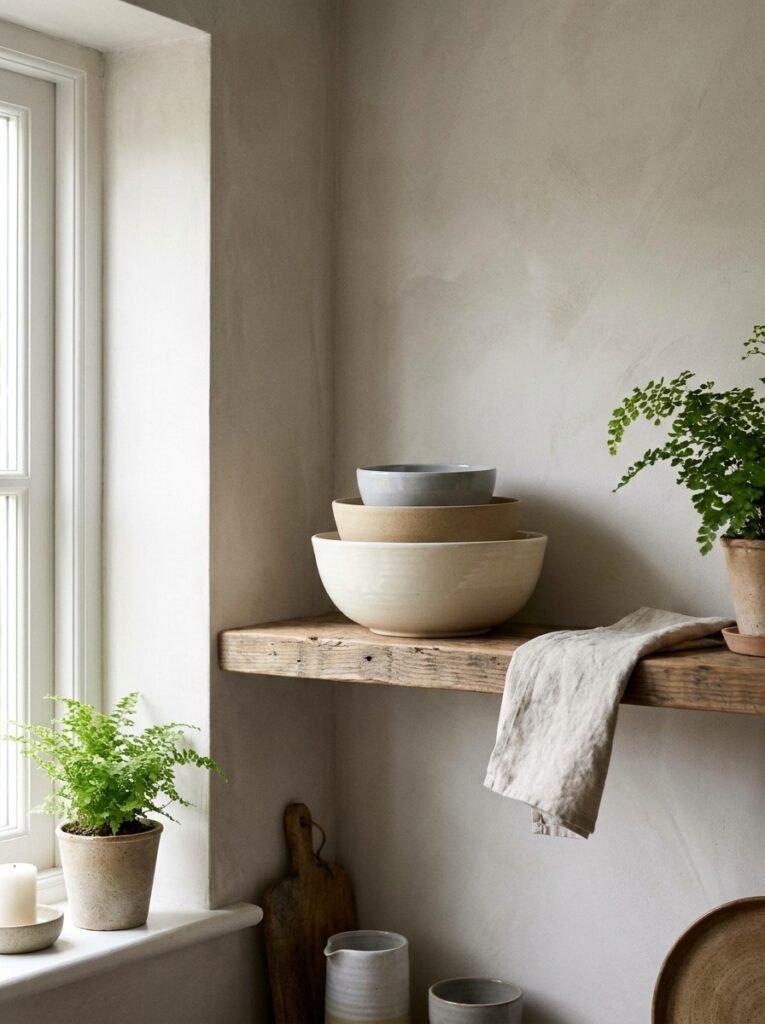
Stacking three bowls in graduated sizes creates a simple, elegant display on open shelving or a countertop. This straightforward application of the rule of three requires minimal styling effort while still delivering the balanced, intentional look this design principle is known for producing.
Choose bowls in a cohesive color palette or matching ceramic finish for the most polished appearance, stacking from largest at the bottom to smallest on top. This graduated stacking naturally creates visual hierarchy and stability within the display itself.
This display doubles as functional storage, keeping frequently used bowls accessible while contributing to the kitchen’s overall styled appearance. It’s one of the easiest rule of three applications to implement using items you likely already own.
11. Three Jars for Dry Goods
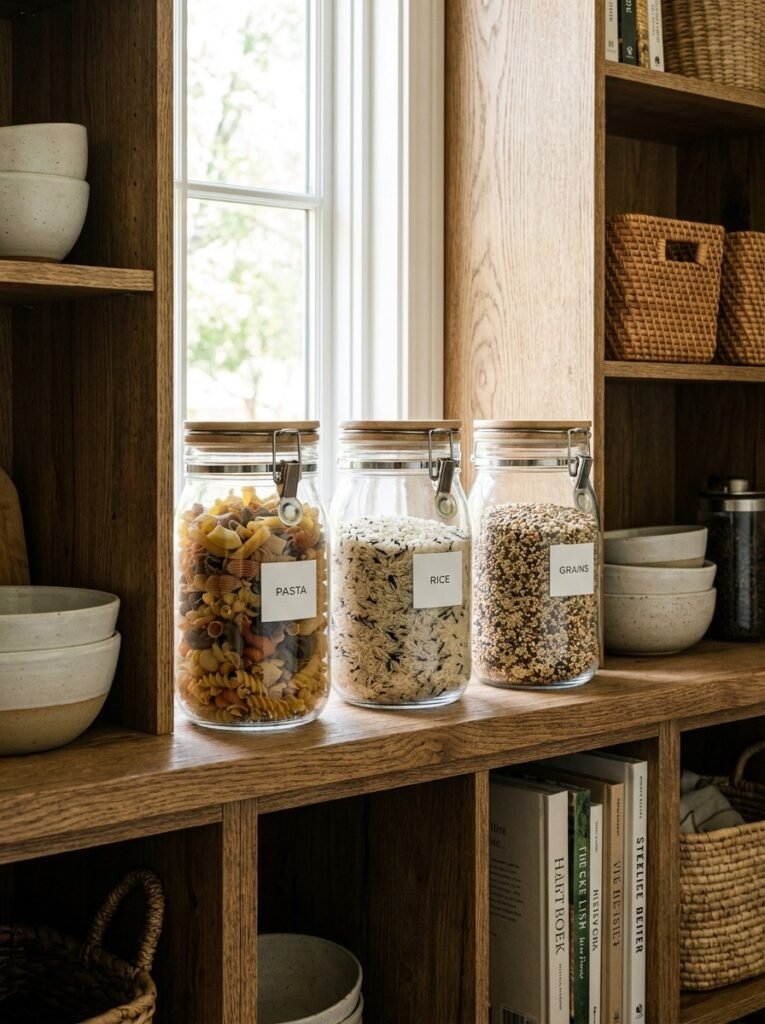
Three matching glass jars filled with pantry staples like pasta, rice, and grains bring visual order to kitchen storage while keeping contents easily visible. This practical application of the rule of three transforms everyday dry goods into an intentionally styled display within open shelving or pantry areas.
Choose jars in a consistent shape and size for the most uniform, polished appearance, allowing the different colors and textures of the contents themselves to provide visual variety. Clear glass also makes it easy to monitor supply levels at a glance during meal planning.
This organizational system works particularly well for kitchens with open shelving, where storage doubles as visible decor. The rule of three ensures the grouping feels deliberate rather than like a random collection of pantry containers.
12. Trio of Copper Pots Hanging
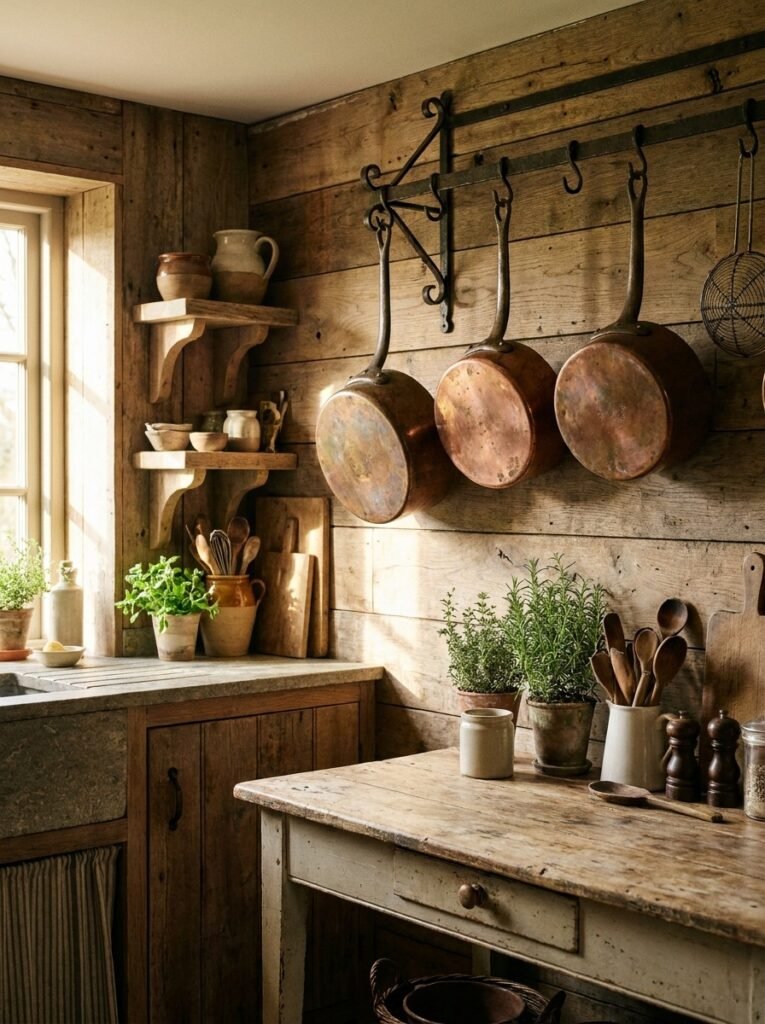
Hanging three copper pots in graduated sizes turns everyday cookware into a warm, decorative kitchen feature. This practical display keeps frequently used pots within easy reach while also adding rich, metallic color and visual interest to an otherwise plain section of wall.
Arrange the pots from largest to smallest for natural visual hierarchy, spacing them evenly along the mounted rack or hooks. The warm copper tone pairs particularly well with cream, white, or dark cabinetry, creating a striking focal point within the kitchen’s overall design.
This functional-meets-decorative approach exemplifies how the rule of three can serve genuinely practical purposes beyond pure aesthetics. It’s an especially popular choice for kitchens with limited cabinet space for larger cookware storage.
13. Three Baskets for Produce
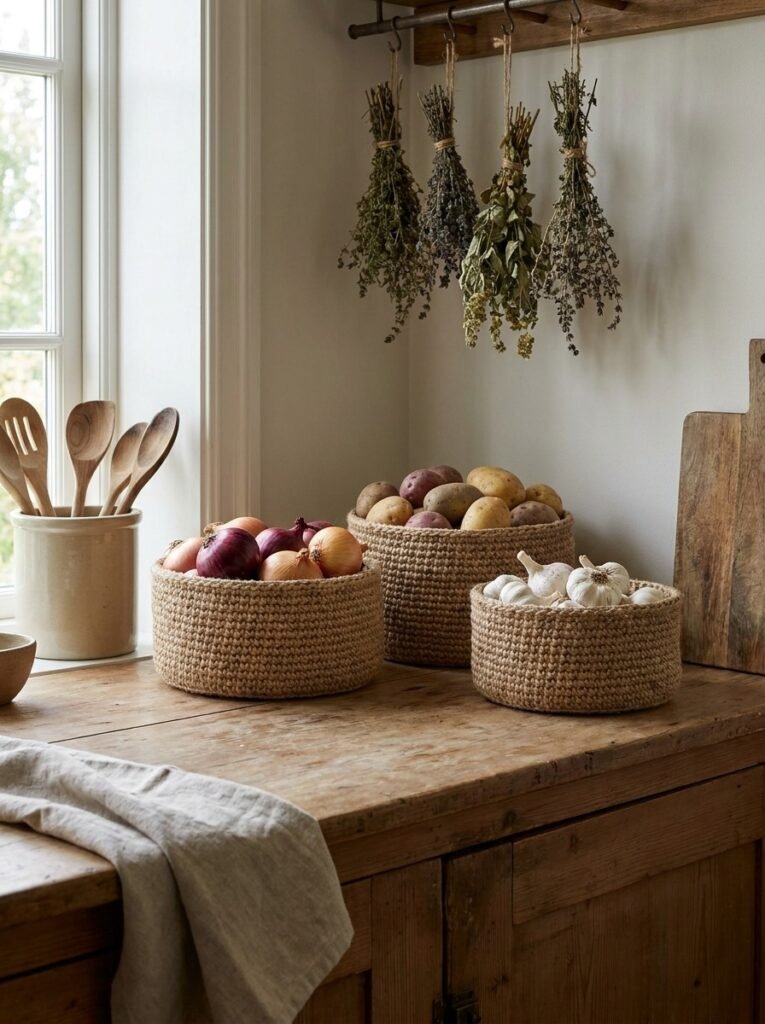
Three woven baskets designated for different produce items, like onions, potatoes, and garlic, bring both organization and natural texture to the kitchen counter. This practical grouping keeps commonly used vegetables accessible and properly ventilated while contributing to the room’s overall styled, curated appearance.
Choose baskets in a consistent material and weave pattern for cohesion, varying the sizes slightly based on each produce type’s typical volume. This graduated sizing reinforces the natural visual hierarchy central to the rule of three principle throughout the arrangement.
This storage solution works particularly well for produce that shouldn’t be refrigerated, offering a stylish alternative to loose items sitting directly on the counter. It’s a genuinely functional application of the rule of three that most kitchens can benefit from.
14. Layered Cutting Board Stack
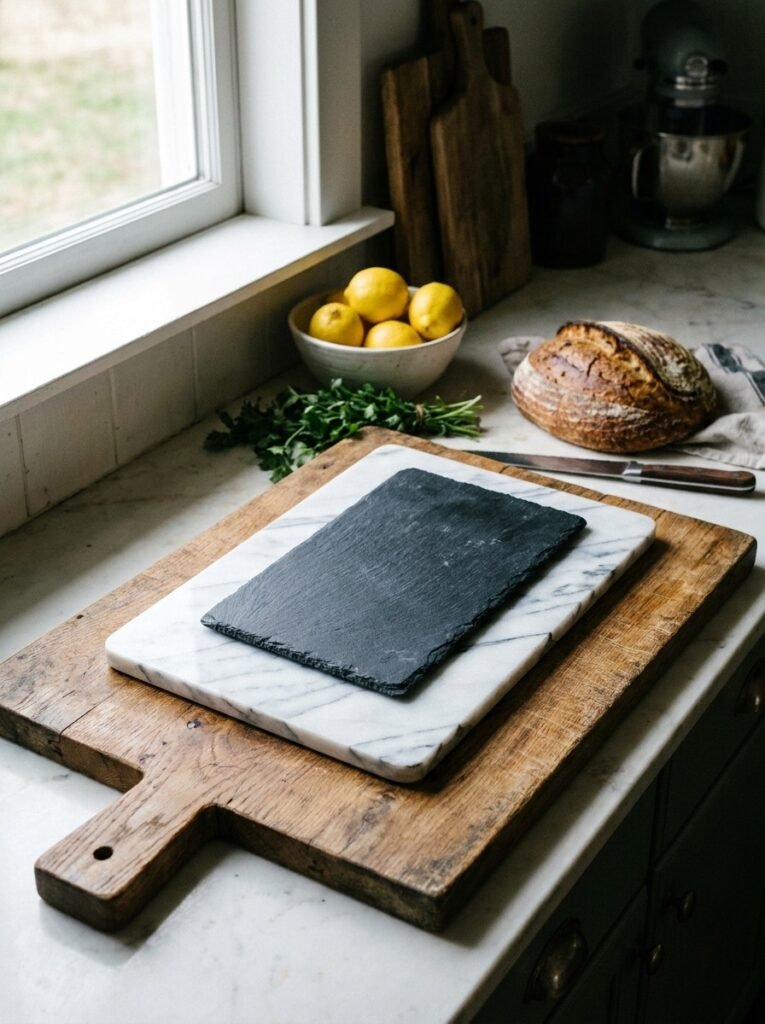
Layering three cutting boards of different materials, such as wood, marble, and slate, creates textural variety within a single functional stack. This combination showcases material contrast while still adhering to the balanced, grouped structure central to the rule of three design principle.
Position the largest and most frequently used board on the bottom of the stack, with progressively smaller boards layered on top. This practical arrangement also reinforces visual hierarchy, guiding the eye naturally from the base up to the smallest piece.
This display works beautifully as a countertop centerpiece near the stove or prep area, combining genuine kitchen function with intentional styling. The variety in material keeps the grouping visually interesting despite the shared cutting board shape across all three pieces.
15. Three Decorative Trays
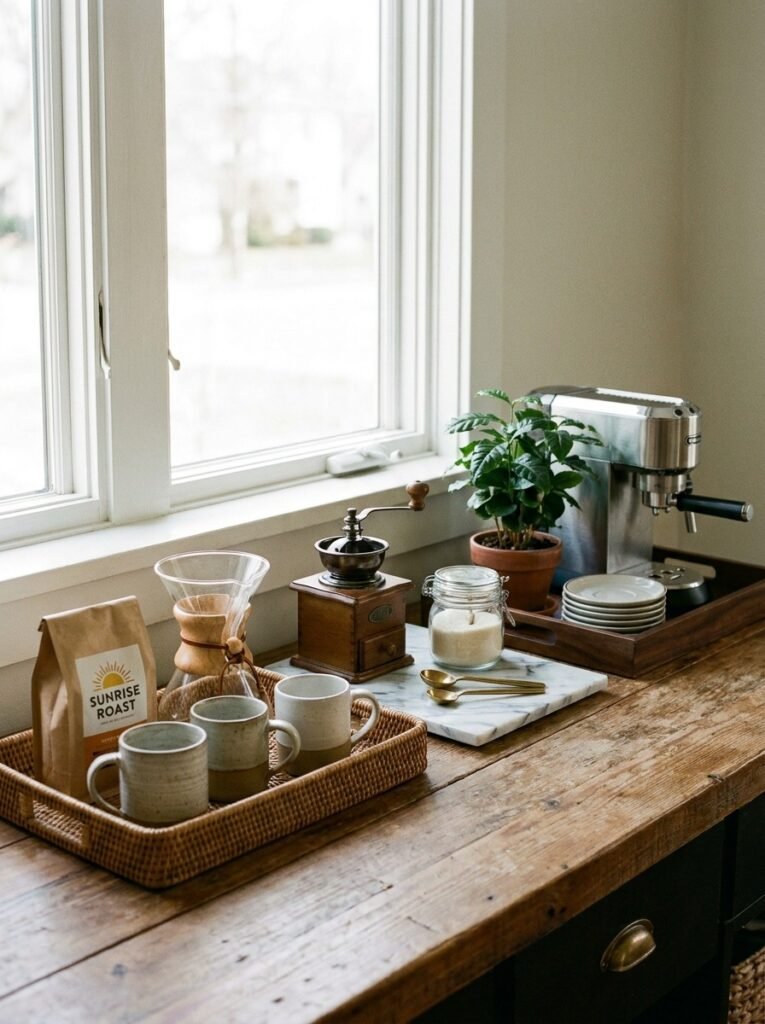
Grouping kitchen supplies onto three decorative trays creates organized, contained vignettes throughout the counter space. One tray might hold coffee essentials, another oils and vinegars, and a third fresh fruit, transforming loose, scattered items into intentional, styled groupings throughout the kitchen.
Choose trays in a coordinating material, like wood or marble, to maintain visual cohesion even as the contents of each tray vary significantly. This consistency in vessel choice helps the three separate groupings read as part of one unified styling approach.
This practical application of the rule of three works particularly well for containing everyday clutter that tends to accumulate on kitchen counters. It offers both organizational benefits and genuine visual polish throughout the busiest workspace in the home.
16. Trio of Glass Canisters
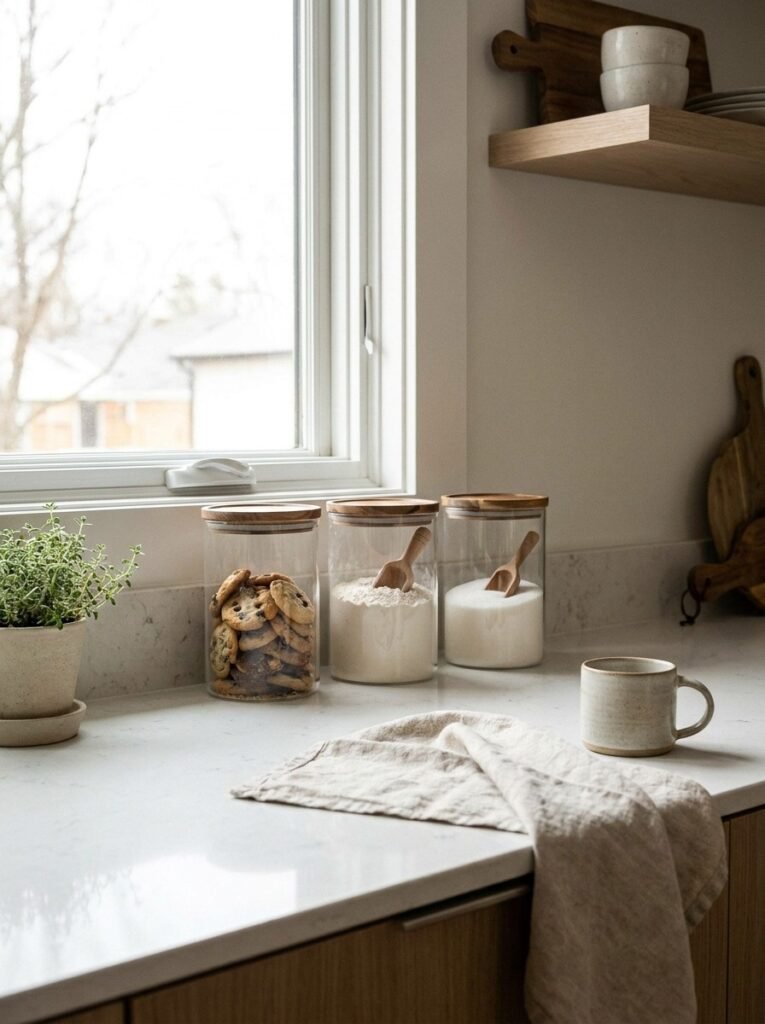
Three clear glass canisters bring a clean, minimalist approach to kitchen storage, allowing the natural colors and textures of the contents to provide visual interest without additional pattern or decoration. This straightforward grouping works particularly well in modern or Scandinavian-inspired kitchen designs.
Choose canisters in a consistent shape but varying heights for the most dynamic visual arrangement, filling each with different staples like cookies, flour, or sugar. The transparency of the glass also offers practical benefits, making it easy to monitor supply levels at a glance.
This understated application of the rule of three suits kitchens favoring simplicity over more decorative styling choices. The trio still delivers the balanced, intentional feel this design principle is known for, just through a more minimal, pared-back visual approach.
17. Three Herb Pots in a Row
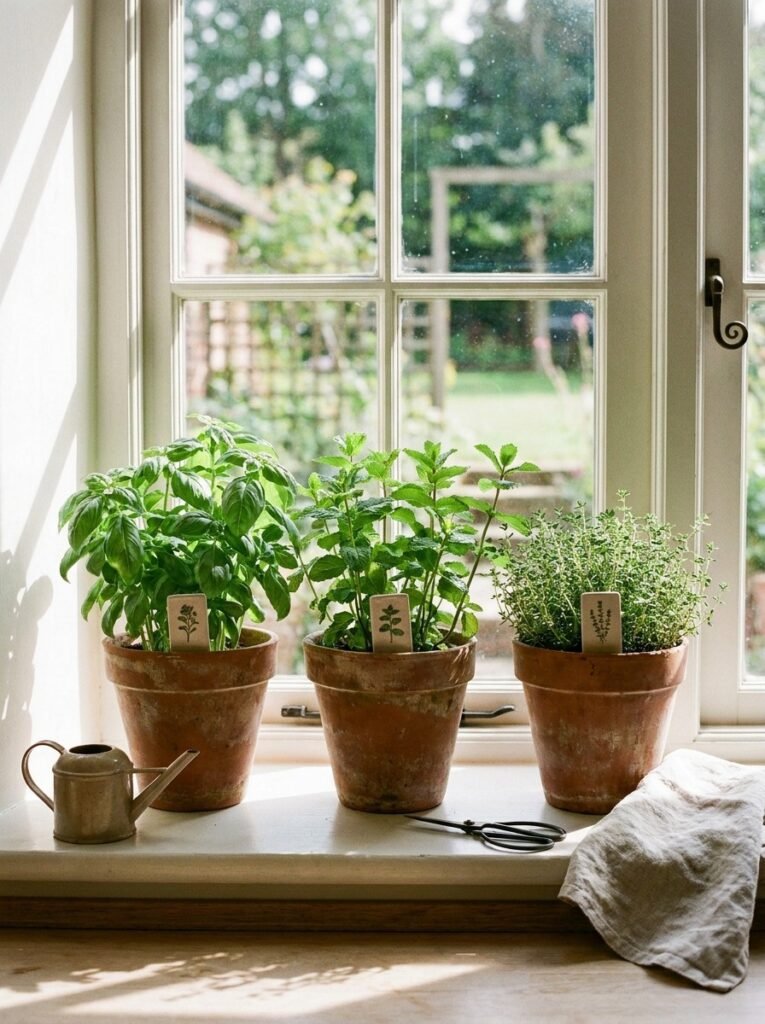
Three herb pots arranged in a row bring fresh, functional greenery to the kitchen while adhering to the balanced, grouped structure of the rule of three. Basil, mint, and thyme make a particularly popular combination, offering genuinely useful ingredients alongside the visual benefit of the styled grouping.
Choose matching terracotta or ceramic pots for the most cohesive look, positioning the trio along a sunny windowsill for optimal plant health. This consistency in vessel choice, paired with the natural variety of each herb’s leaf shape and color, creates balanced visual interest.
This functional application of the rule of three offers genuine value beyond pure decoration, supplying fresh ingredients for everyday cooking. It’s one of the most practical and rewarding ways to bring this design principle into daily kitchen life.
18. Stacked Cookbook Trio
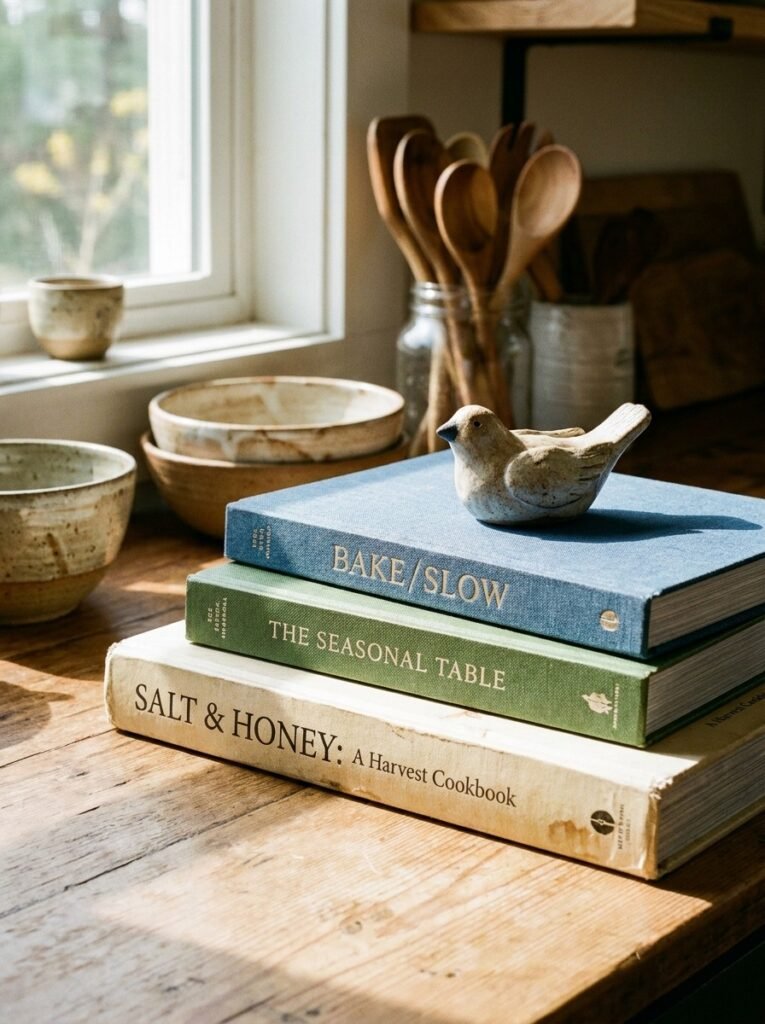
A stack of three cookbooks, topped with a small decorative object like a candle or small plant, creates a simple yet effective styled vignette. This grouping repurposes everyday reading material into a functional design element, adding both personality and practical resource access to the kitchen counter.
Choose cookbooks with visually appealing spines or covers for the most polished stack, arranging them from largest at the bottom to smallest on top for natural stability and visual hierarchy. The topping object adds a finishing touch that completes the trio’s overall composition.
This display works particularly well near a baking or prep station, keeping frequently referenced cookbooks within easy reach. The rule of three transforms what could be a purely functional stack into a genuinely styled, intentional design moment.
19. Three Candle Pillar Display
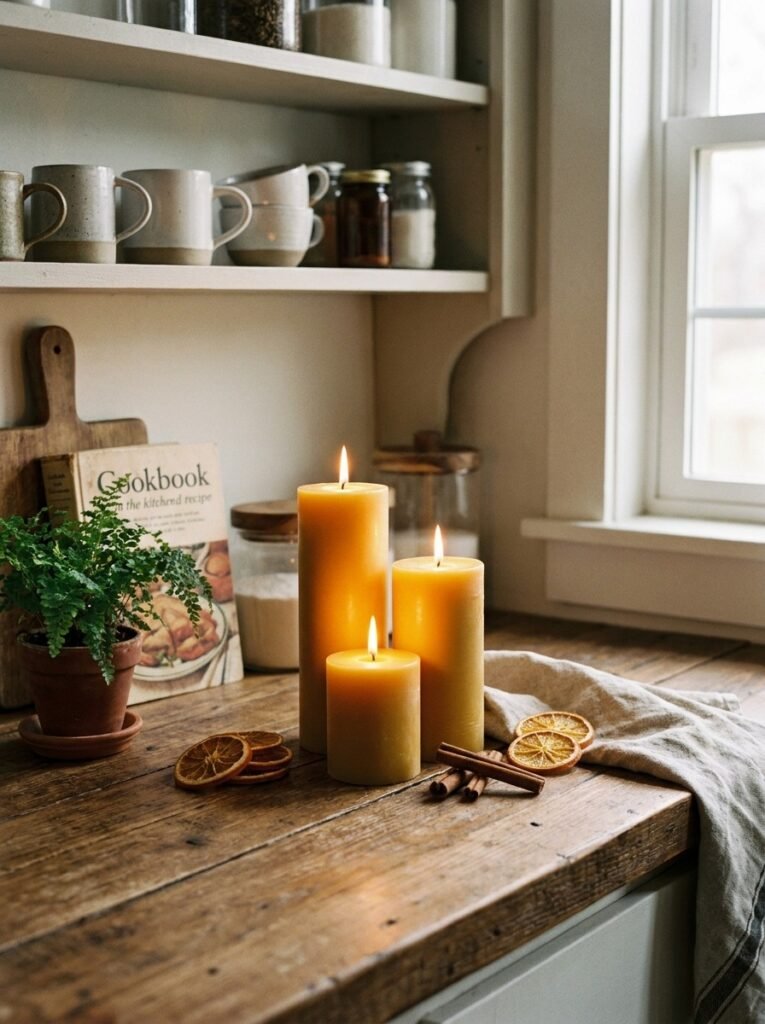
Three pillar candles grouped together in varying heights create a warm, ambient display for the kitchen counter or open shelf. This grouping adds soft, flickering light during evening meals while also serving as a simple decorative element during the day when unlit.
Choose candles in a coordinating color or scent family for cohesion, clustering them closely together rather than spacing them widely apart. This tighter grouping reinforces the visual weight and impact of the trio, making it read as one intentional design moment rather than three separate objects.
This display works particularly well for dinner parties or special occasions, though it can also serve as everyday kitchen decor. The varying heights create natural visual movement central to the rule of three’s overall balanced, dynamic effect.
20. Trio of Ceramic Bowls
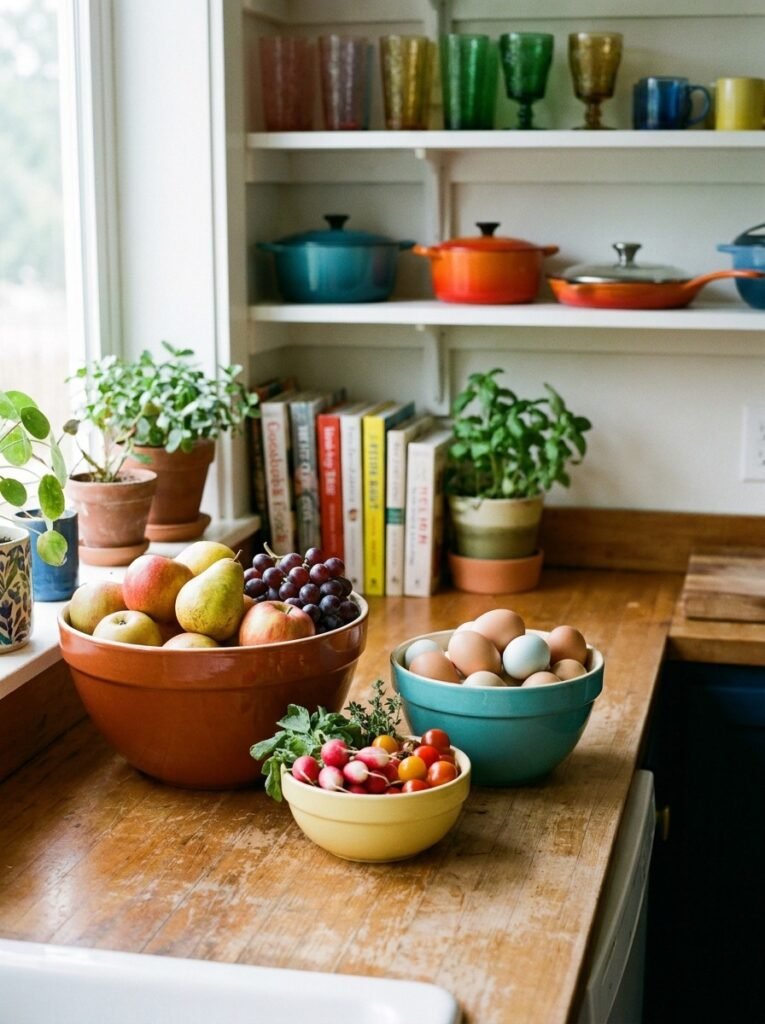
Three ceramic bowls, each holding a different kitchen staple like fruit, eggs, or garlic, bring both organization and color to the counter. This functional grouping keeps commonly used items visible and accessible while contributing to the kitchen’s overall styled, intentional appearance throughout the workspace.
Choose bowls in complementary but not identical colors for added visual interest within the trio, allowing each vessel’s contents to further enhance the overall color story. This variation keeps the grouping from feeling too uniform while still maintaining cohesive balance.
This practical application of the rule of three proves especially useful for items better stored at room temperature rather than in the refrigerator. It’s an easy, low-cost way to bring intentional styling into everyday kitchen organization.
21. Three-Tier Fruit Stand Styling
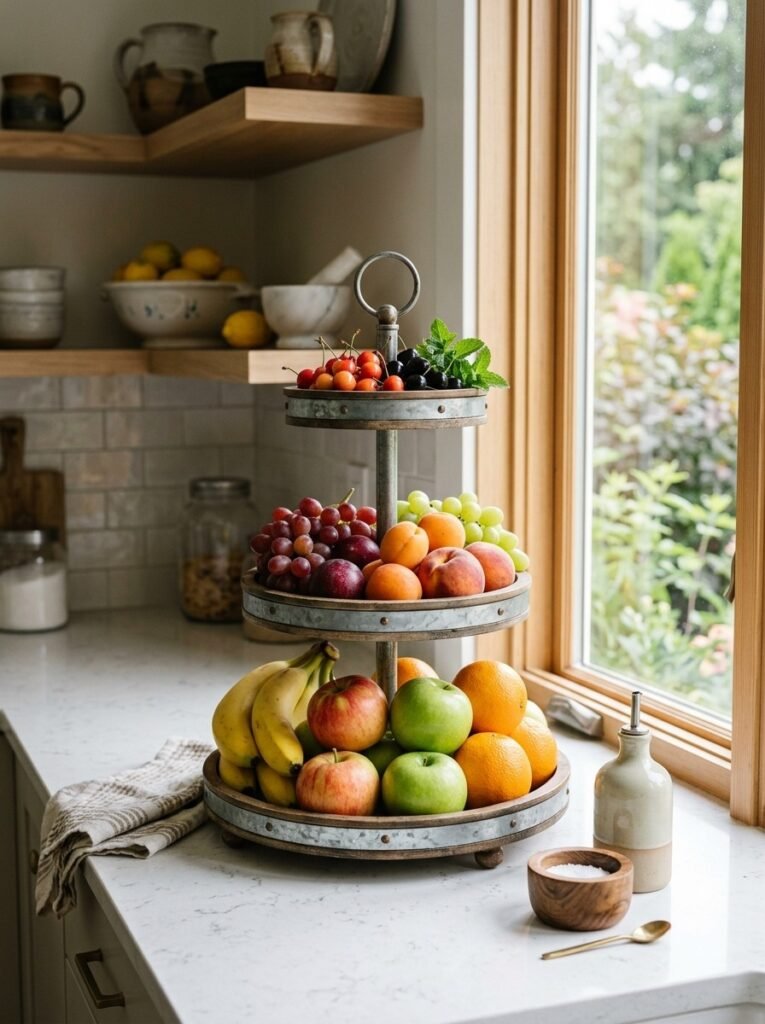
A three-tier fruit stand applies the rule of three vertically rather than horizontally, stacking fresh produce in a space-saving, visually striking column. This display works particularly well in smaller kitchens where counter space is limited, maximizing storage without sacrificing the room’s overall styled appearance.
Fill each tier with a different type of fruit, creating natural color variation as the eye moves up or down the stand. This vertical arrangement of three distinct levels reinforces the balanced, rhythmic quality central to the rule of three design principle.
Choose a stand finish, like brass, black metal, or wire, that complements your existing kitchen hardware for a cohesive overall look. This functional, space-efficient display proves that the rule of three works just as effectively in vertical arrangements as in traditional horizontal groupings.
The rule of three is a small design principle with an outsized impact, turning ordinary kitchen items into intentional, balanced displays without requiring any major renovation or investment. From pendant lighting and bar stools to canisters, herb pots, and stacked cutting boards, these 21 ideas show just how versatile this simple styling trick can be across every corner of the kitchen.
The best part of this approach is how accessible it is — most of these ideas use items you likely already own, simply regrouped and arranged with a bit more intention. Whether you’re organizing pantry staples or styling a countertop vignette, grouping in threes almost always looks more curated than pairs or single items placed on their own.
Once you start noticing the rule of three, it’s hard to unsee just how often it shows up in the kitchens you admire most. Save your favorite ideas from this list, try regrouping a shelf or counter this week, and enjoy the effortless polish this timeless design principle brings to your space.