
23 Kitchen Rule of 3 Organization Ideas to Try
The rule of three isn’t just a styling principle, it’s also a genuinely practical approach to kitchen organization, breaking storage into manageable, balanced groupings rather than one overwhelming jumble. From pantry zones to drawer dividers, these 23 kitchen rule of three organization ideas will help you create a more functional, easy-to-maintain kitchen using this simple grouping strategy.
1. Three-Tier Lazy Susan Organization
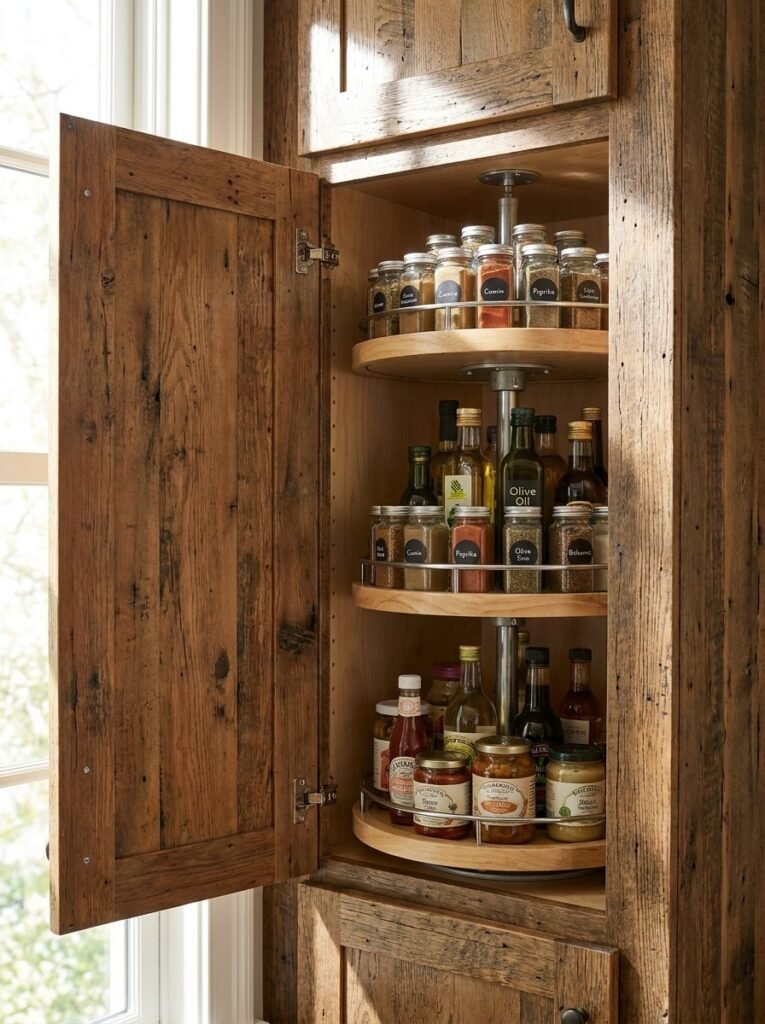
A three-tier lazy susan maximizes cabinet storage by stacking rotating shelves, organizing items into three distinct levels based on frequency of use or category. This vertical rotation system makes deep, hard-to-reach cabinets significantly more functional, eliminating the need to dig through items stacked haphazardly in the back.
Assign each tier a specific category, like oils on one level, spices on another, and condiments on the third, keeping the organization logical and easy to maintain over time. This structured approach prevents the cabinet from becoming a disorganized catch-all for miscellaneous kitchen items.
This organizational tool proves particularly valuable in corner cabinets, where the rotating three-tier design makes previously wasted, hard-to-access space genuinely functional for everyday kitchen use.
2. Three Drawer Utensil Dividers
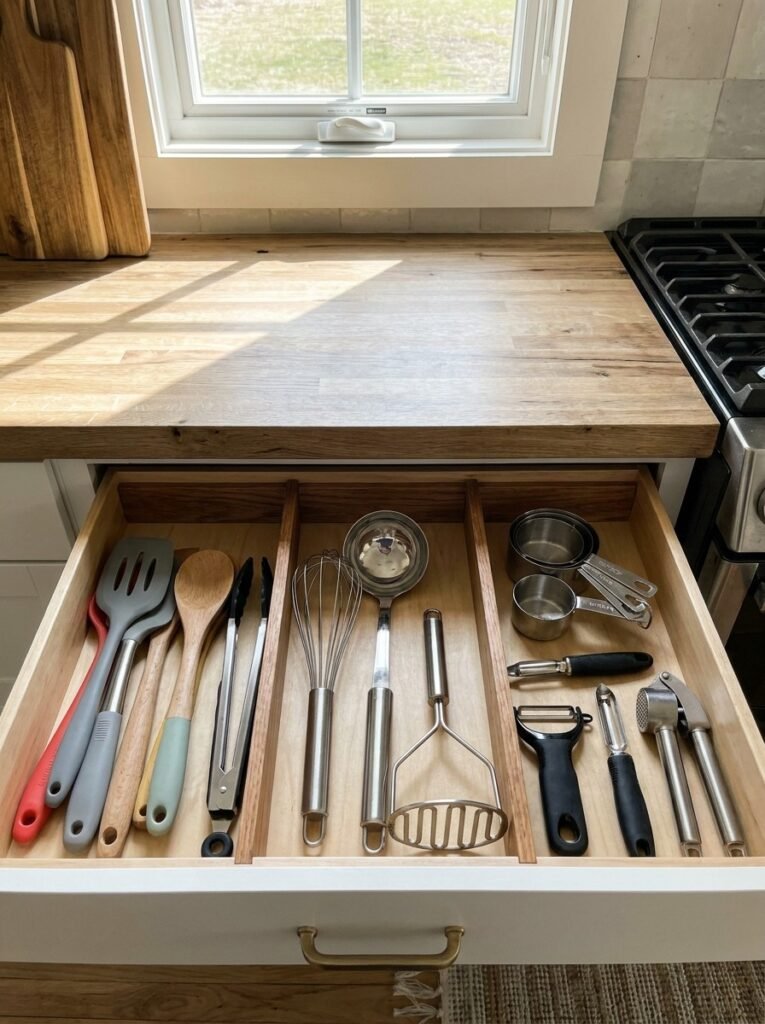
Dividing a utensil drawer into three distinct sections keeps cooking tools organized by category, rather than allowing them to tangle together in one chaotic pile. This simple organizational structure makes it significantly easier to locate specific items quickly during meal preparation.
Assign one section for everyday utensils like spatulas and spoons, another for measuring tools, and a third for less frequently used specialty items. This categorization keeps the drawer functional and prevents the common problem of digging through a jumbled mess to find one specific tool.
This straightforward organizational upgrade requires minimal investment in drawer dividers while delivering significant improvement to the kitchen’s daily functional efficiency and overall tidiness.
3. Three-Zone Pantry Sections
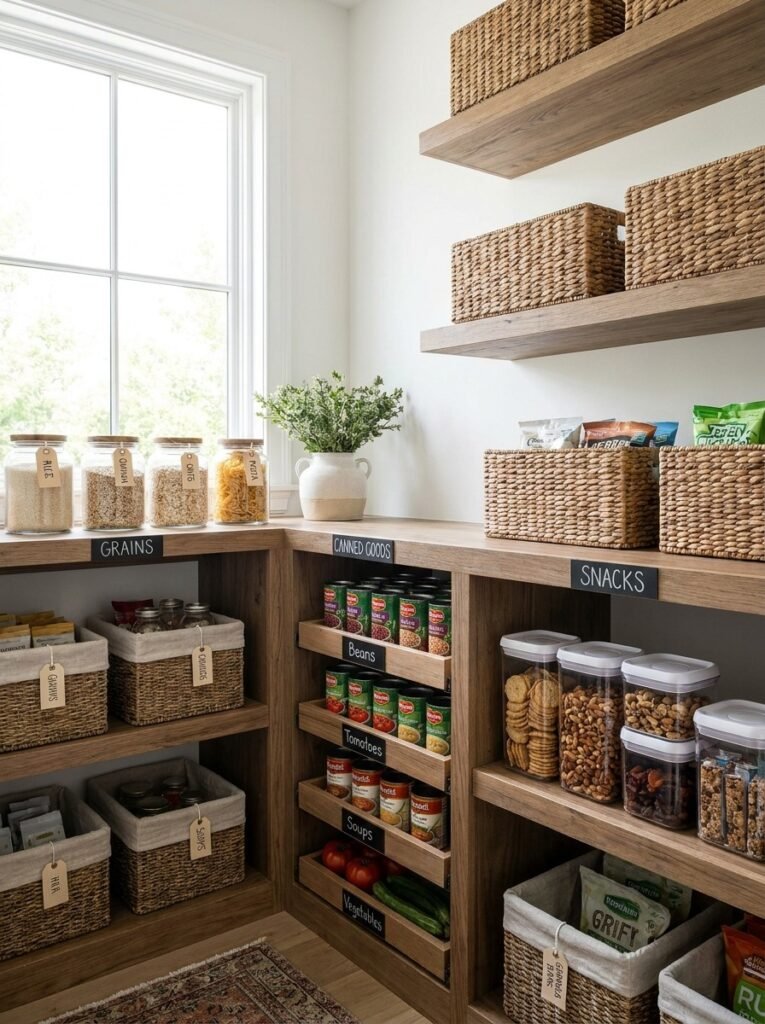
Dividing a pantry into three broad zones, such as grains and baking, canned goods, and snacks, creates a logical organizational system that makes grocery unpacking and meal planning significantly more efficient. This structure eliminates the need to search through mixed categories scattered across random shelves.
Choose three categories that reflect your household’s actual cooking and eating habits, adjusting the specific zones based on what makes sense for your family’s needs. Label each zone clearly, especially if multiple household members share responsibility for grocery unpacking and pantry maintenance.
This zoning strategy transforms an overwhelming pantry into a manageable, navigable space, making both cooking and restocking noticeably more efficient throughout regular household routines.
4. Spice Rack in Groups of Three
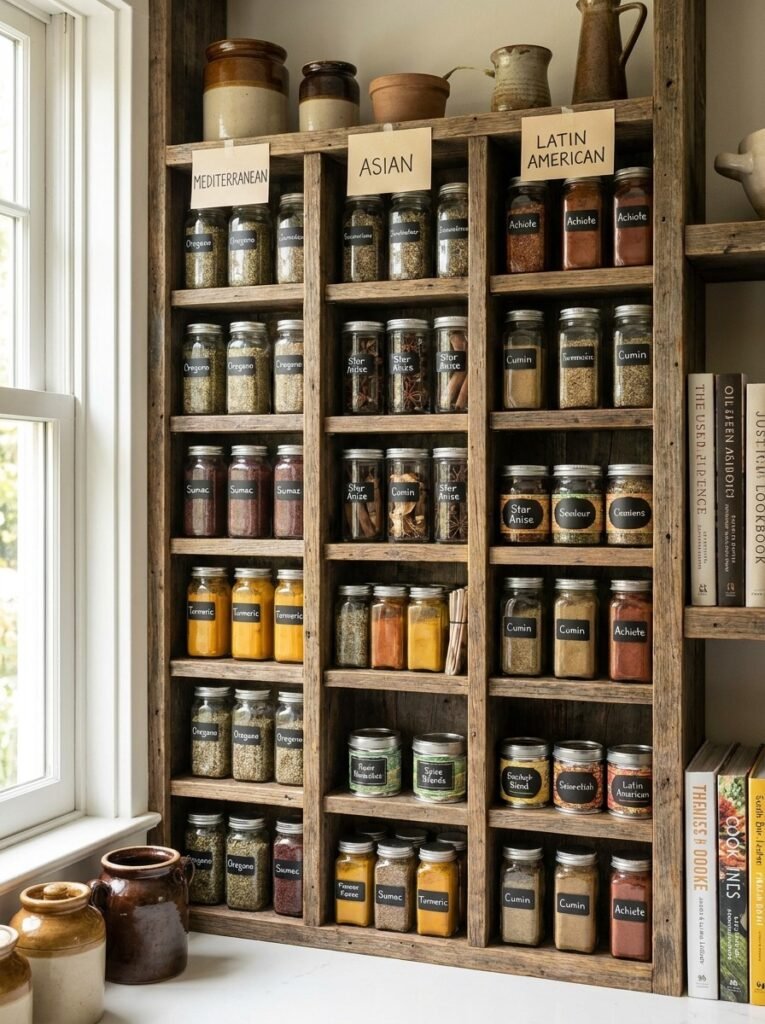
Organizing spices into three groupings, such as baking spices, everyday cooking spices, and specialty or international spices, creates a logical system that speeds up meal preparation significantly. This categorization prevents the common frustration of searching through an entire spice collection for one specific jar.
Choose grouping categories that reflect your household’s actual cooking patterns, whether that’s by cuisine type or by frequency of use. Label each section clearly, positioning the most frequently used group at the most accessible height within the spice rack or cabinet.
This organizational approach turns a potentially chaotic spice collection into a genuinely functional system, saving meaningful time during regular cooking and recipe preparation throughout the week.
5. Three Stacked Mixing Bowls
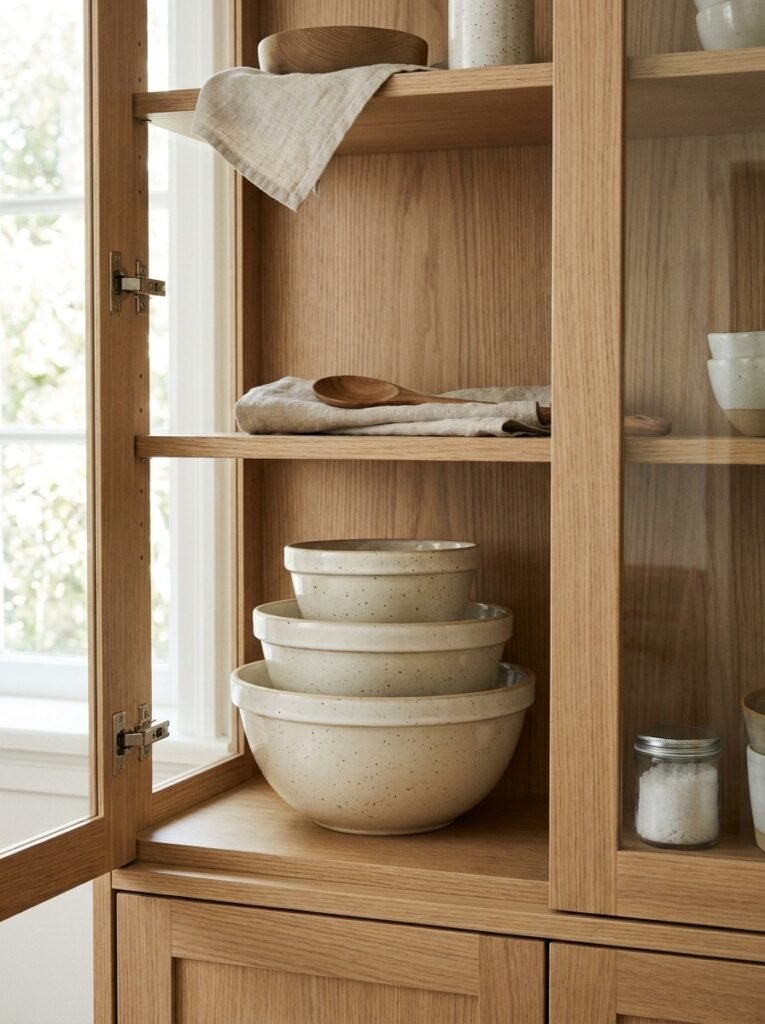
Stacking exactly three mixing bowls in graduated sizes, rather than owning an excessive collection, simplifies both storage and daily kitchen use. This streamlined approach ensures you always have small, medium, and large options available without the cabinet clutter that comes from owning duplicate or rarely used sizes.
Choose bowls that nest together efficiently for compact storage, selecting materials like stainless steel or ceramic that hold up well to frequent daily use. This minimal, intentional collection proves more manageable than an overflowing cabinet of mismatched, excess bowls collected over time.
This decluttering approach to a common kitchen item exemplifies how the rule of three can guide practical purchasing decisions, not just organizational styling choices throughout the kitchen.
6. Three-Compartment Under Sink Bins
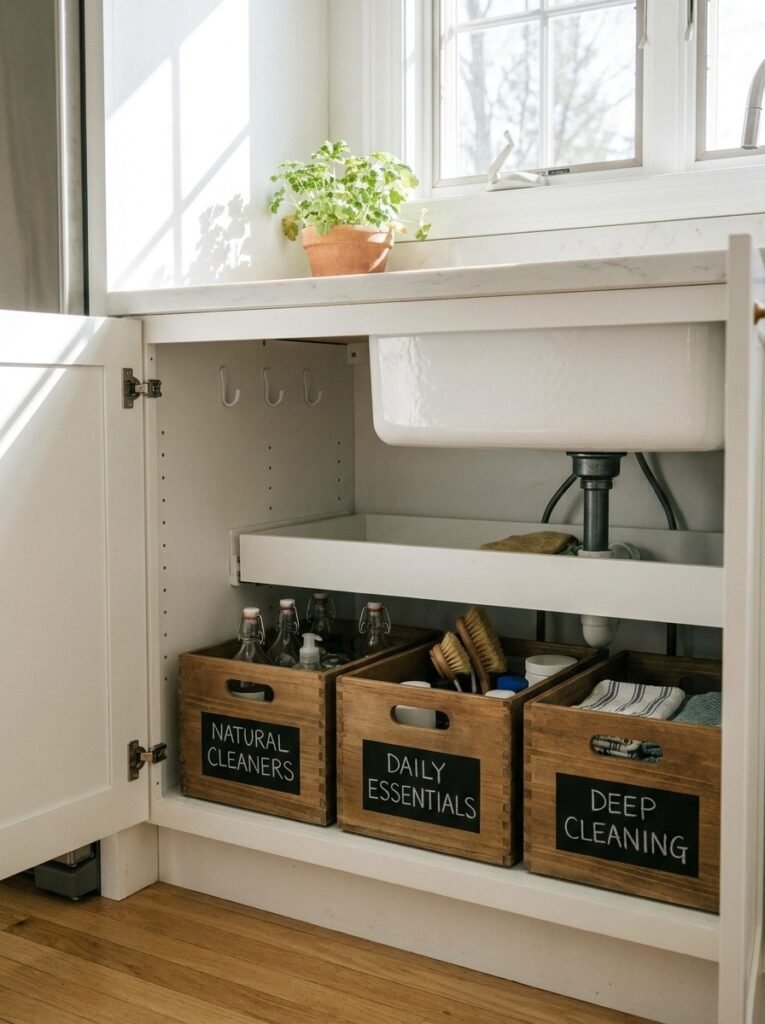
Three labeled bins beneath the kitchen sink organize cleaning supplies, trash bags, and miscellaneous items into clear, defined categories rather than one disorganized pile. This structure makes this notoriously chaotic cabinet significantly easier to navigate and maintain over time.
Assign one bin for cleaning sprays and sponges, another for trash and recycling bags, and a third for miscellaneous items like light bulbs or batteries often stored in this convenient location. Clear or labeled bins allow for quick visual identification without needing to search through everything.
This simple organizational system transforms one of the kitchen’s most commonly disorganized spaces into a genuinely functional, easy-to-maintain storage area for essential household supplies.
7. Three Tier Cabinet Shelf Riser
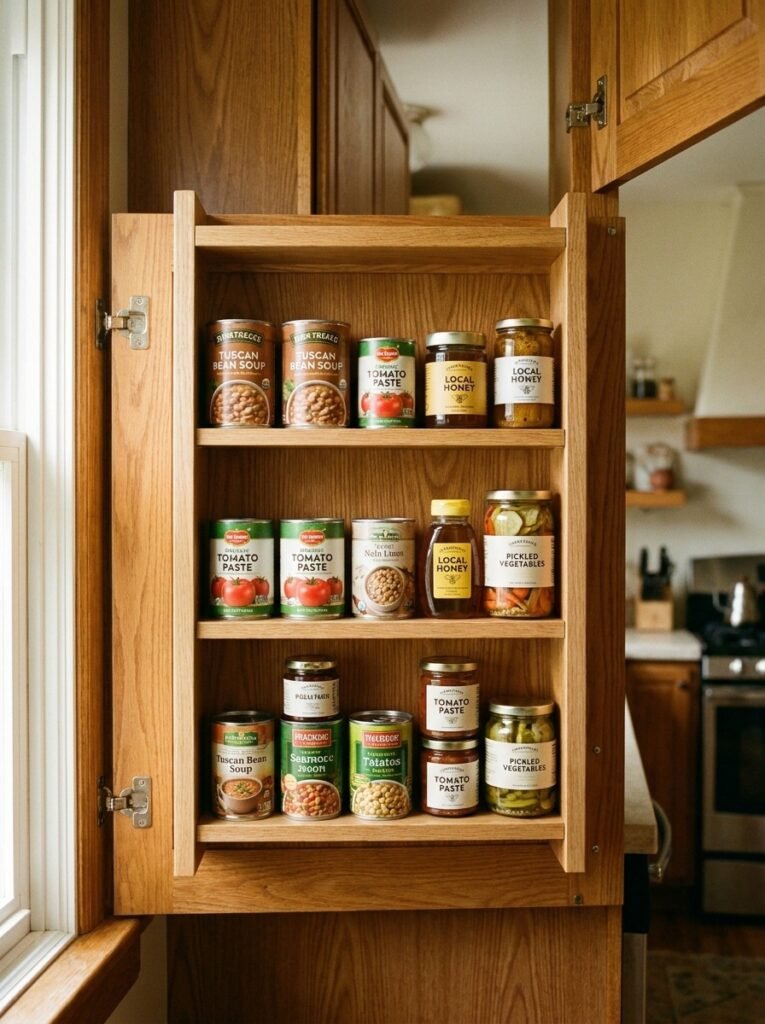
A three-tier shelf riser maximizes vertical cabinet space, allowing items to be stacked and viewed simultaneously rather than hiding shorter items behind taller ones. This organizational tool proves particularly useful for canned goods, spice jars, or other uniformly shaped items stored in deeper cabinets.
Position taller items toward the back tier and shorter items in front, ensuring every item remains visible and accessible without needing to move things around to see what’s available. This structure eliminates the common problem of forgotten items pushed to the back of deep cabinet shelves.
This inexpensive organizational tool delivers meaningful improvement to cabinet functionality, making inventory visible at a glance rather than requiring active searching through stacked items.
8. Three Baking Sheet Vertical Slots
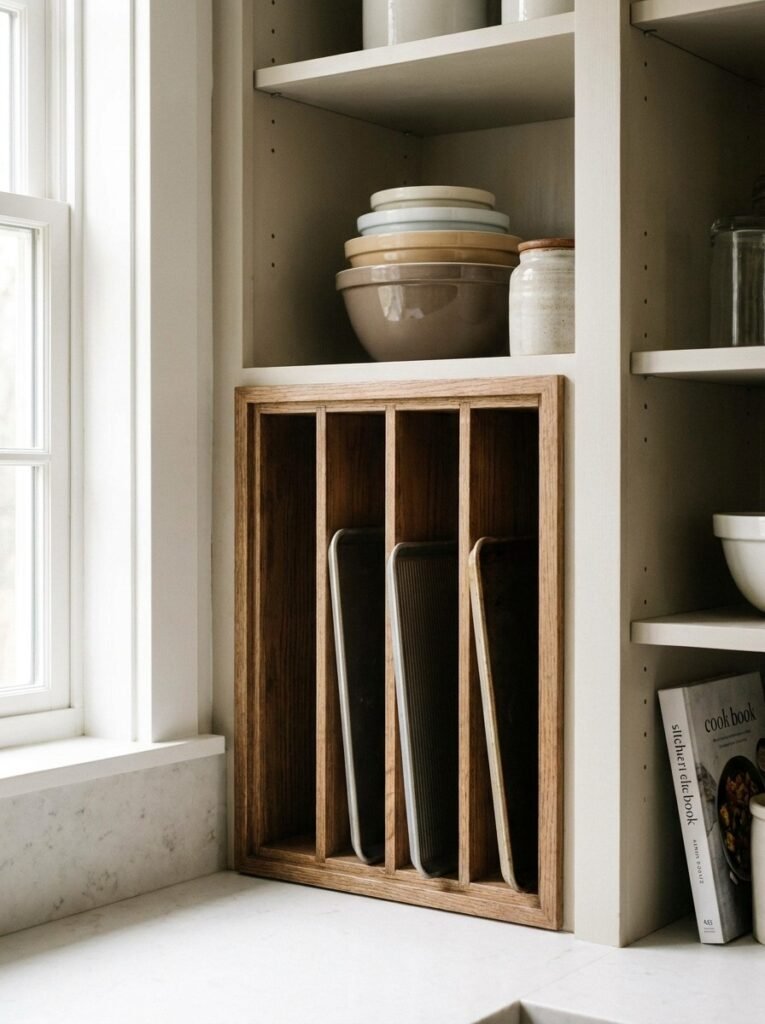
Storing exactly three baking sheets vertically, rather than stacking them flat, makes efficient use of narrow cabinet space while keeping each sheet easily accessible without needing to remove others to reach the one you need. This vertical storage solution particularly benefits kitchens with limited cabinet depth.
Install a simple vertical divider or purchase a dedicated baking sheet organizer sized for three standard sheet pans, positioning it in a cabinet near the oven for convenient access during baking projects. This system prevents the common frustration of digging through a stack of flat pans.
This organizational approach proves that limiting yourself to a functional set of three, rather than an excessive collection, often creates a more genuinely usable kitchen storage system.
9. Three Section Trash and Recycling
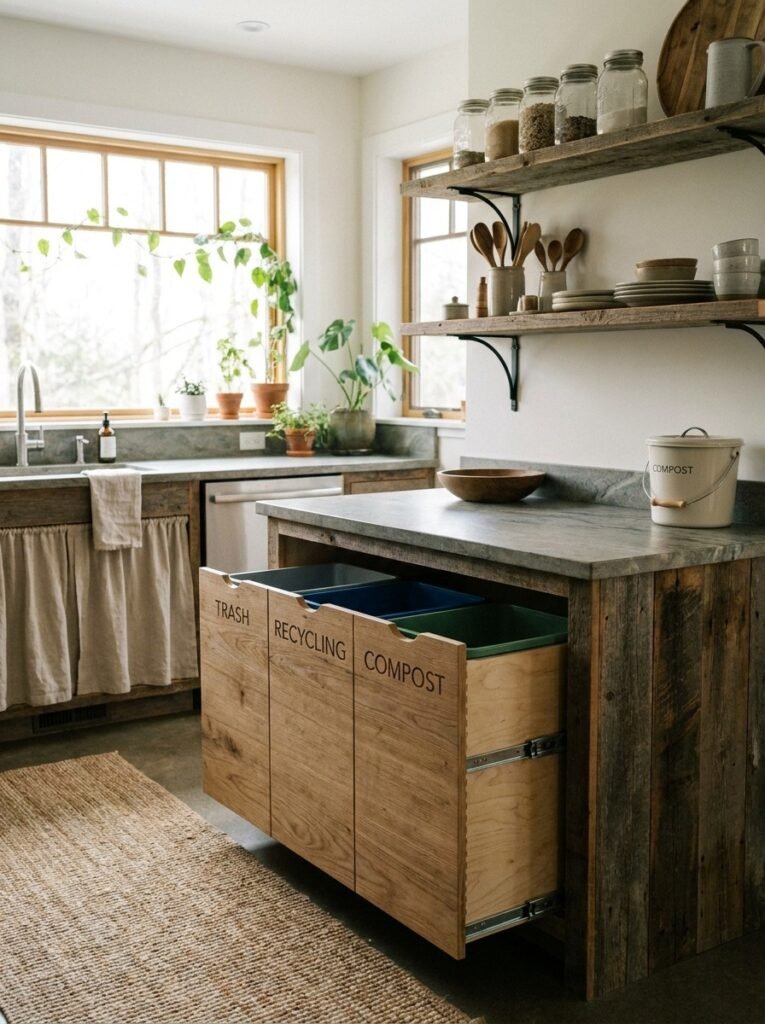
A three-section waste system, dividing trash, recycling, and compost into separate designated bins, streamlines household waste management while supporting more sustainable disposal habits. This organized approach makes sorting second nature rather than requiring conscious effort during every disposal decision.
Choose a pull-out cabinet system or freestanding bins with clear labels for each of the three categories, positioning them together in one convenient location near the kitchen’s primary work area. This proximity encourages consistent, correct sorting rather than defaulting to a single catch-all trash can.
This three-part organizational system supports both kitchen tidiness and environmental responsibility, making sustainable waste habits significantly easier to maintain throughout daily household routines.
10. Three Drawer Knife Organization
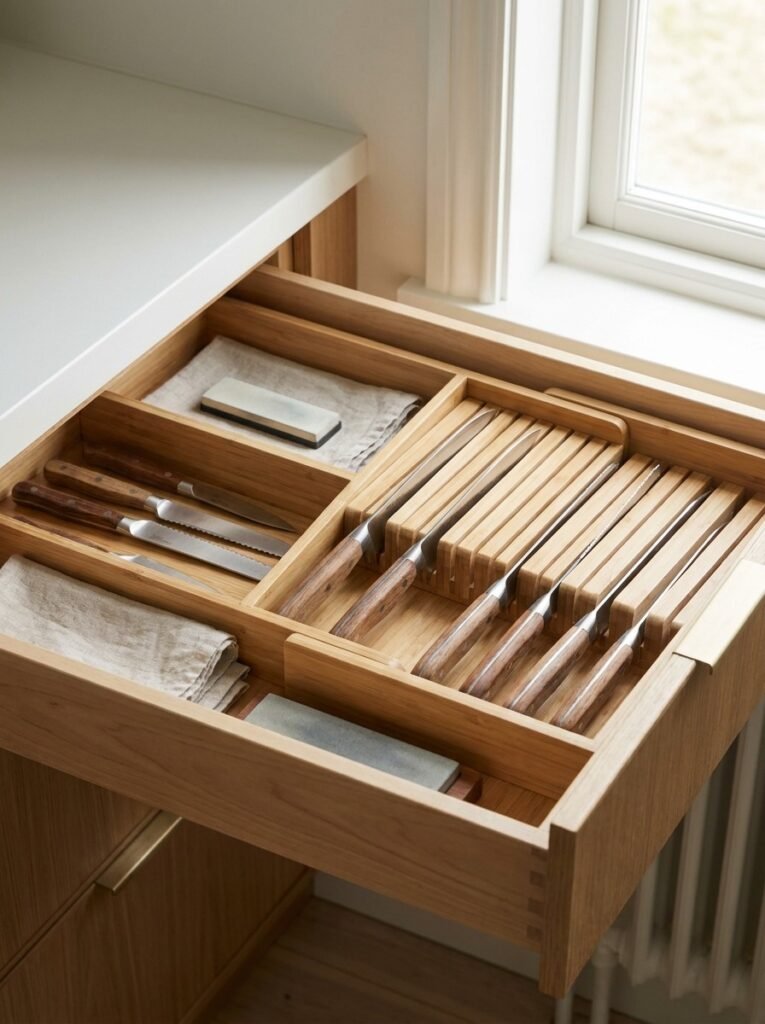
Organizing knives into three categories within a drawer insert, such as chef’s knives, paring knives, and specialty blades, keeps sharp tools safely contained and easy to identify without rummaging through a mixed drawer. This system also protects blade edges from dulling against other metal utensils.
Choose an in-drawer knife organizer with distinct slots grouped into these three general categories, ensuring each knife has a designated, secure spot. This organization method proves significantly safer than loose knife storage while also extending blade life through proper, protected placement.
This practical organizational upgrade addresses both safety and functionality, transforming a potentially hazardous drawer into a well-organized, easy-to-navigate knife storage system.
11. Three-Level Spice Drawer Insert
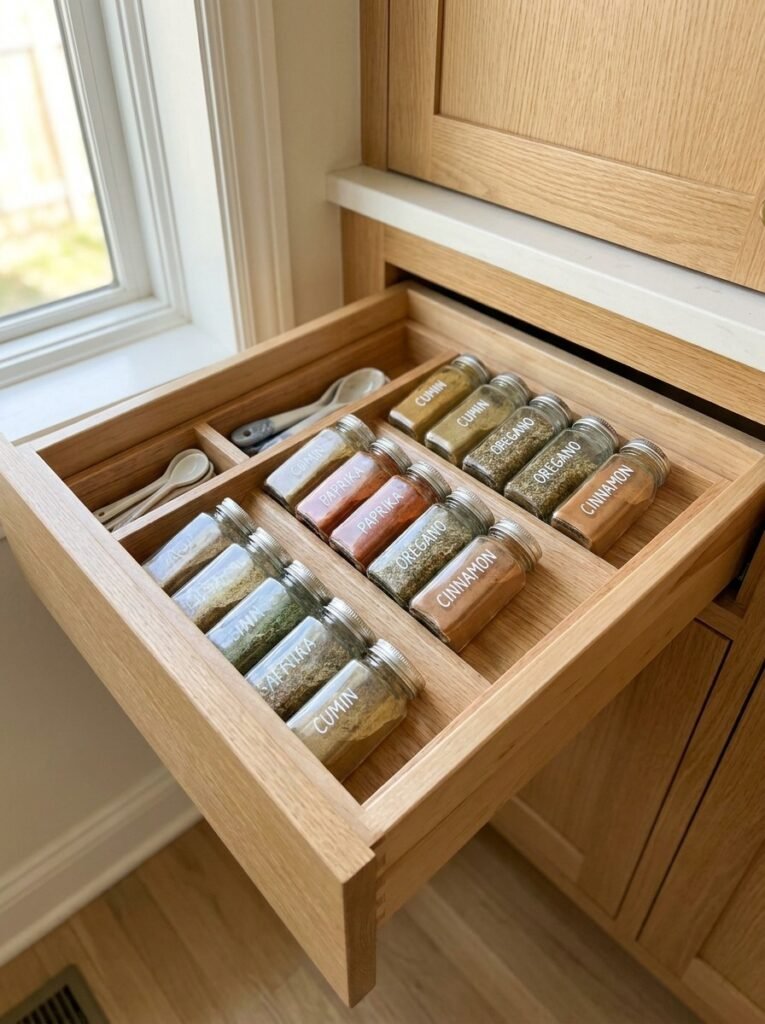
A three-level stepped spice drawer insert allows every jar label to remain visible from above, eliminating the need to lift jars out just to identify their contents. This tiered system makes efficient use of drawer depth while keeping the entire spice collection easily scannable at a glance.
Arrange jars alphabetically or by cuisine type across the three tiers, using uniform containers for the most visually organized and functional appearance. This system significantly speeds up cooking preparation, since the correct spice can be identified and retrieved within seconds.
This organizational tool transforms a drawer that might otherwise become a jumbled mess into one of the kitchen’s most efficiently organized storage areas for frequently used spices.
12. Three Container Grain Storage
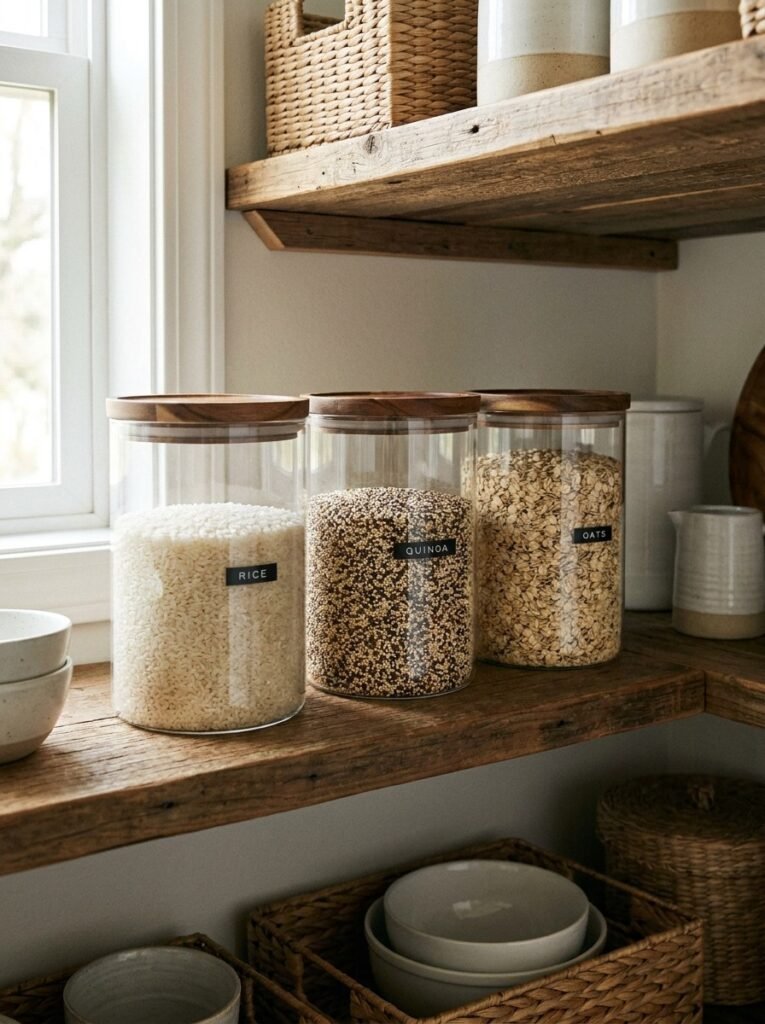
Storing grains in three matching glass containers, rather than keeping them in their original bags or boxes, creates a cohesive, organized pantry appearance while also extending freshness through airtight storage. This simple swap transforms loose, mismatched packaging into a genuinely styled organizational system.
Choose containers in a consistent shape and size for the most visually unified look, labeling each clearly for easy identification. This system also makes it simple to monitor remaining quantities at a glance, supporting more efficient grocery shopping and meal planning decisions.
This organizational upgrade delivers both functional and aesthetic benefits, proving that practical pantry storage doesn’t need to sacrifice visual appeal for genuine usefulness.
13. Three-Basket Fridge Organization
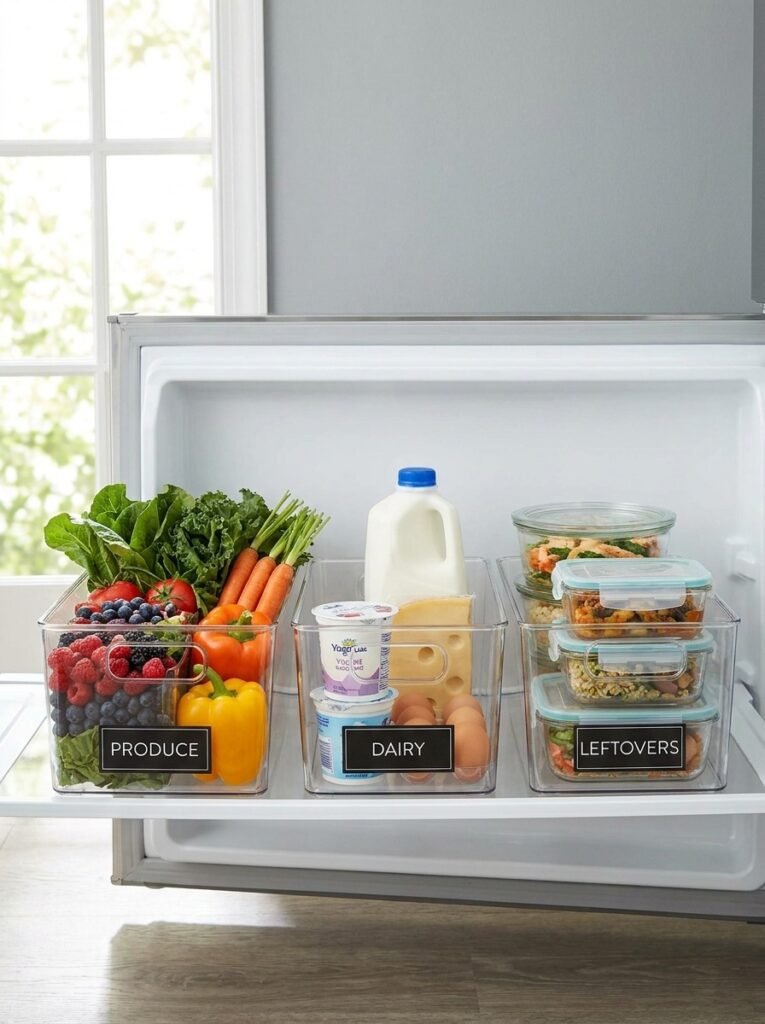
Three clear storage baskets within the refrigerator create designated zones for categories like produce, dairy, and leftovers, preventing the common problem of forgotten items pushed to the back and eventually spoiling unnoticed. This system makes the fridge’s contents genuinely scannable at a glance.
Choose baskets sized appropriately for each category’s typical volume, positioning frequently used items at eye level for the most convenient access. This organizational structure also simplifies the process of pulling out an entire category, like all produce, for meal planning or grocery restocking.
This practical system reduces food waste significantly by keeping items visible rather than hidden behind other groceries, supporting more efficient use of refrigerated food throughout the week.
14. Three Zone Coffee Station
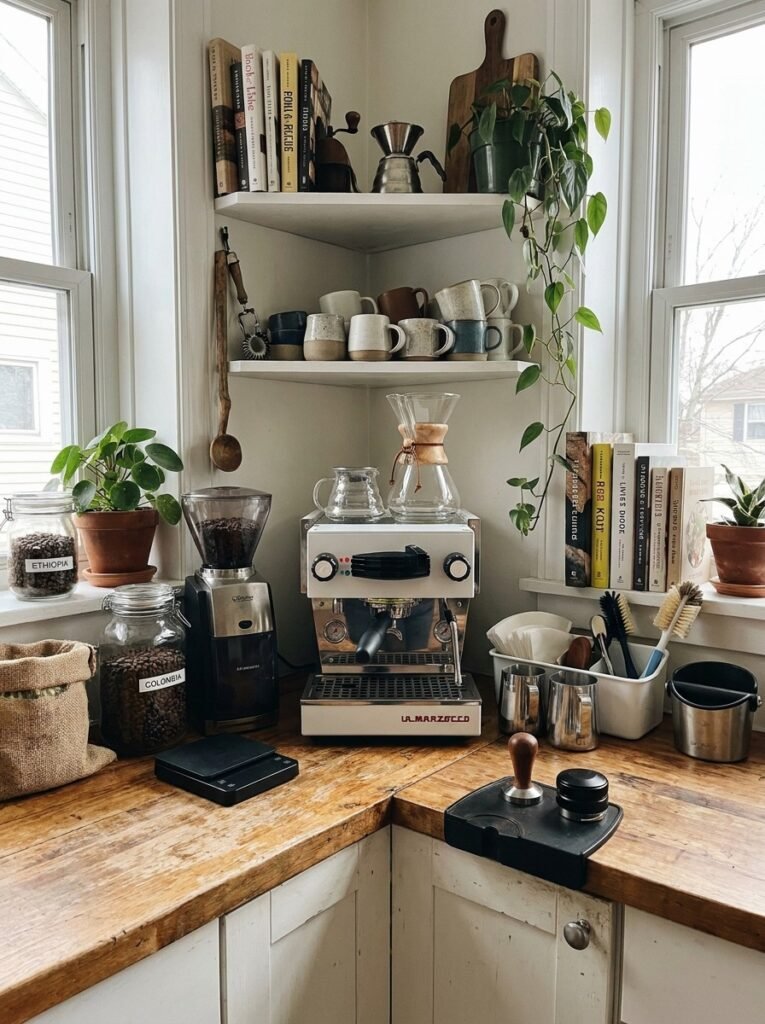
Organizing a coffee station into three distinct zones, such as beans and grounds, mugs, and accessories like filters or syrups, creates an efficient morning routine without requiring guesswork about where each item belongs. This categorization streamlines one of the kitchen’s most frequently used daily areas.
Position the three zones logically based on how you actually prepare coffee, keeping beans near the grinder or machine, mugs within easy reach, and accessories grouped together nearby. This thoughtful arrangement reduces morning friction during a routine most households complete daily.
This organizational approach to a dedicated coffee area proves the rule of three’s practical value beyond pure storage, improving genuine daily efficiency throughout the kitchen.
15. Three Tier Plate Rack
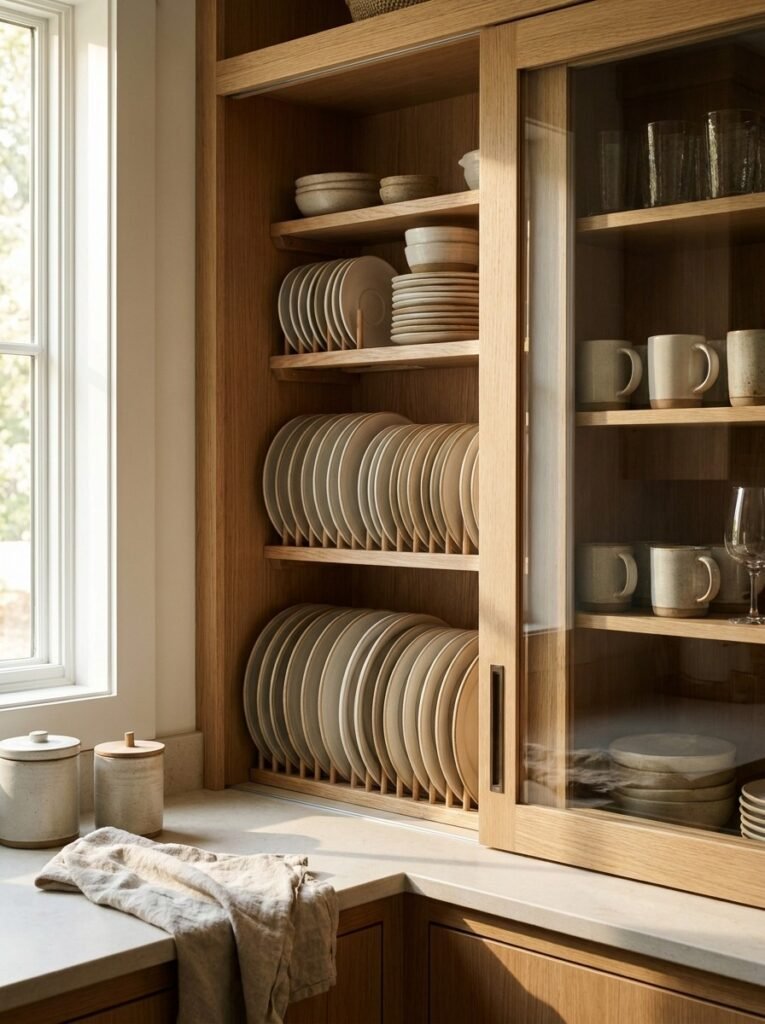
A three-tier plate rack organizes dinnerware into dinner plates, salad plates, and bowls across separate levels, preventing the common problem of precariously stacked dishes that risk toppling when reaching for items at the bottom of the pile. This system also makes each category easily accessible.
Choose a rack sized appropriately for your cabinet dimensions and typical dinnerware collection, positioning the most frequently used plates at the most convenient height. This organized approach reduces the physical strain and risk of breakage that comes from digging through heavy, unstable stacks.
This straightforward organizational tool improves both safety and daily convenience, making the process of setting the table or unloading the dishwasher significantly more efficient.
16. Three Compartment Cutlery Tray
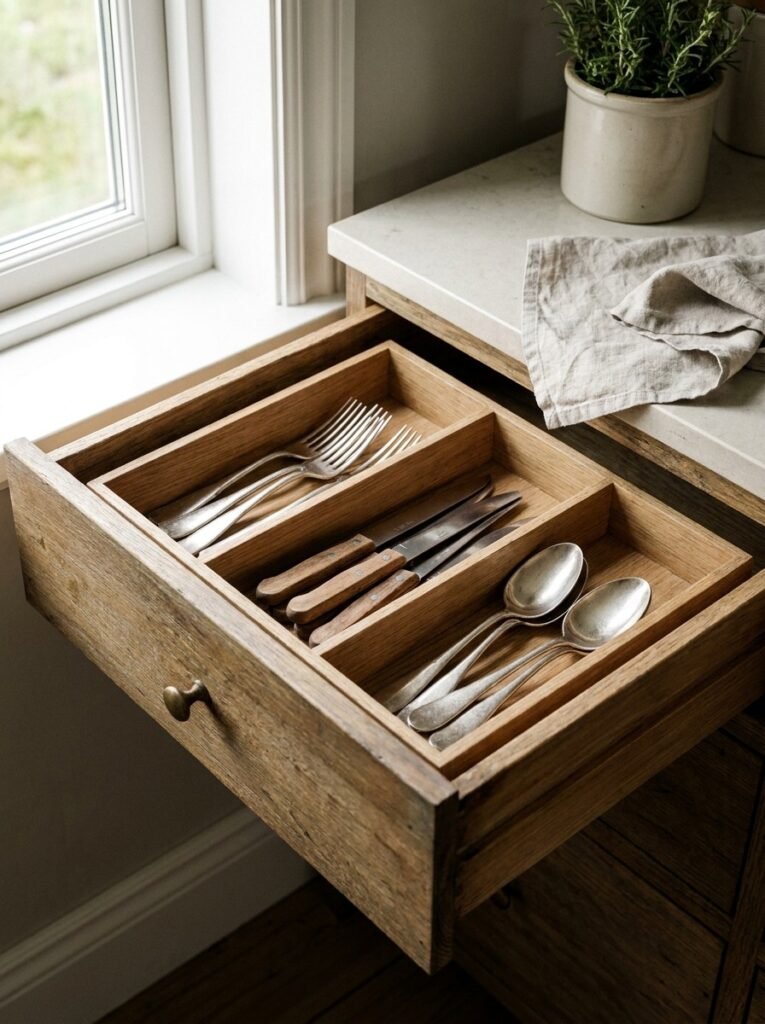
A three-compartment cutlery tray keeps forks, knives, and spoons neatly separated within the utensil drawer, preventing the tangled mess that occurs when different utensil types mix together loosely. This simple organizational tool remains one of the most fundamental and universally useful kitchen organization solutions.
Choose a tray sized appropriately for your drawer dimensions and typical cutlery quantity, ensuring each compartment has adequate space without overcrowding. This straightforward system makes both daily use and dishwasher unloading significantly faster and more efficient throughout regular kitchen routines.
This basic but essential organizational tool exemplifies how the rule of three applies to some of the kitchen’s most frequently used and easily disorganized items.
17. Three Shelf Pull-Out Pantry
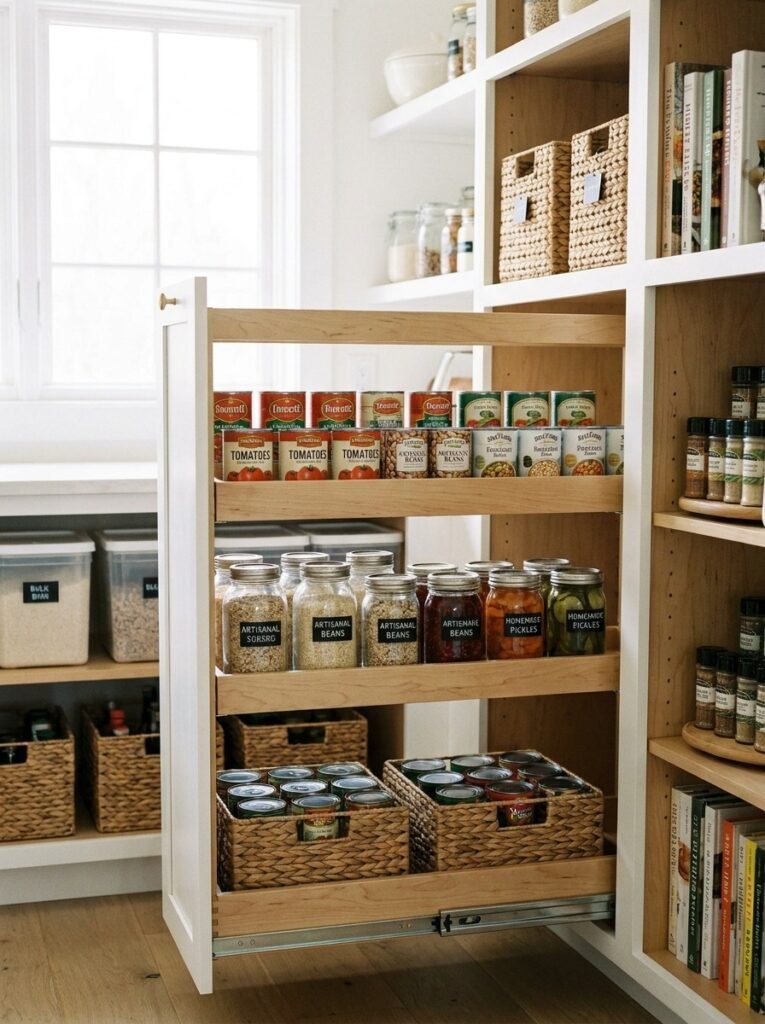
A three-shelf pull-out pantry system brings deep, hard-to-reach storage fully into view, eliminating the common problem of forgotten items pushed to the back of standard fixed shelving. This sliding mechanism makes every item across all three shelves equally accessible without reaching or searching.
Organize each pull-out shelf by category, keeping similar items grouped together for logical, easy-to-maintain storage. This system particularly benefits narrow or deep pantry cabinets where traditional fixed shelving often results in significant wasted or forgotten storage space toward the back.
This more substantial organizational investment delivers meaningful long-term improvement to pantry functionality, making previously inaccessible storage space genuinely usable for everyday kitchen needs.
18. Three Jar Sugar Flour Coffee Set
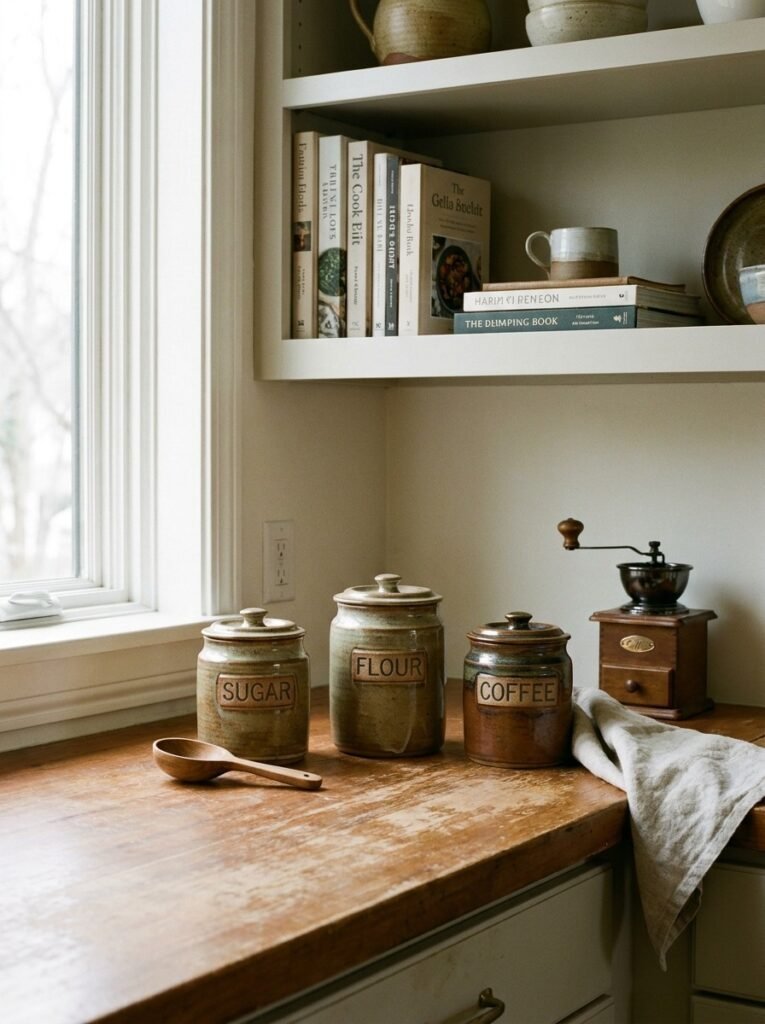
A matching canister set of three brings both function and visual order to the kitchen counter, typically holding staples like sugar, flour, and coffee in a cohesive, attractive display. This practical application of the rule of three replaces mismatched bags and boxes with a genuinely styled arrangement.
Choose canisters in varying sizes to reflect their contents’ typical volume, creating natural visual hierarchy within the trio. A graduated size progression, from largest to smallest, also reinforces the balanced, intentional feel central to the rule of three principle.
Position the canister trio along an open stretch of counter for maximum visibility and function, proving that organization and style can work together seamlessly in everyday kitchen storage.
19. Three Bin Recycling Sorting System
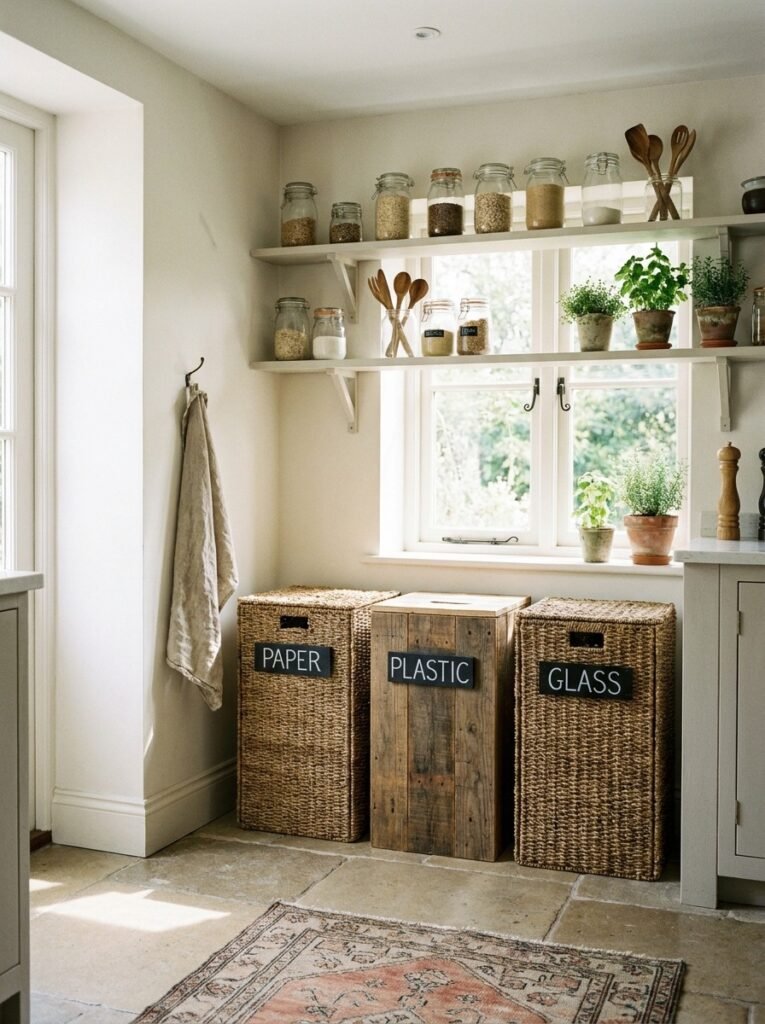
A three-bin recycling sorting system, separating paper, plastic, and glass into distinct containers, simplifies proper waste sorting according to most municipal recycling requirements. This organized approach removes the guesswork and last-minute sorting that often leads to improperly mixed recycling loads.
Choose bins sized according to which materials your household generates most frequently, positioning the entire three-bin system together in one convenient, accessible location. Clear labeling ensures every household member, including children, can participate correctly in the sorting process.
This organizational system supports genuine environmental responsibility while also keeping recycling materials contained and organized rather than accumulating loosely throughout the kitchen.
20. Three-Tier Rolling Cart Pantry
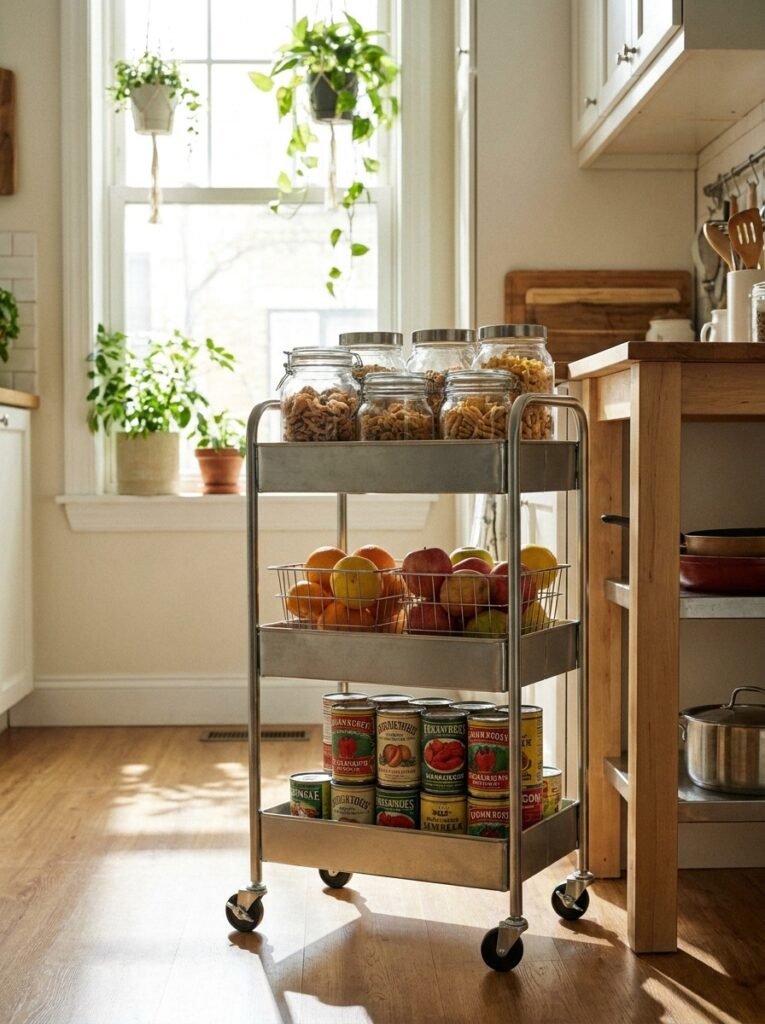
A three-tier rolling cart provides flexible, mobile pantry storage for kitchens lacking sufficient built-in cabinet space. Each tier can be dedicated to a specific category, like snacks, canned goods, or baking supplies, creating an organized system that can move wherever additional storage is needed.
This mobile solution works particularly well in smaller kitchens or apartments, since the cart can be tucked into a corner or pantry closet when not actively needed elsewhere. Label each tier clearly to maintain the organizational system’s usefulness over time.
This flexible three-tier approach proves especially valuable for renters or those in temporary living situations, since the cart moves easily between locations without requiring built-in storage.
21. Three Zone Freezer Organization
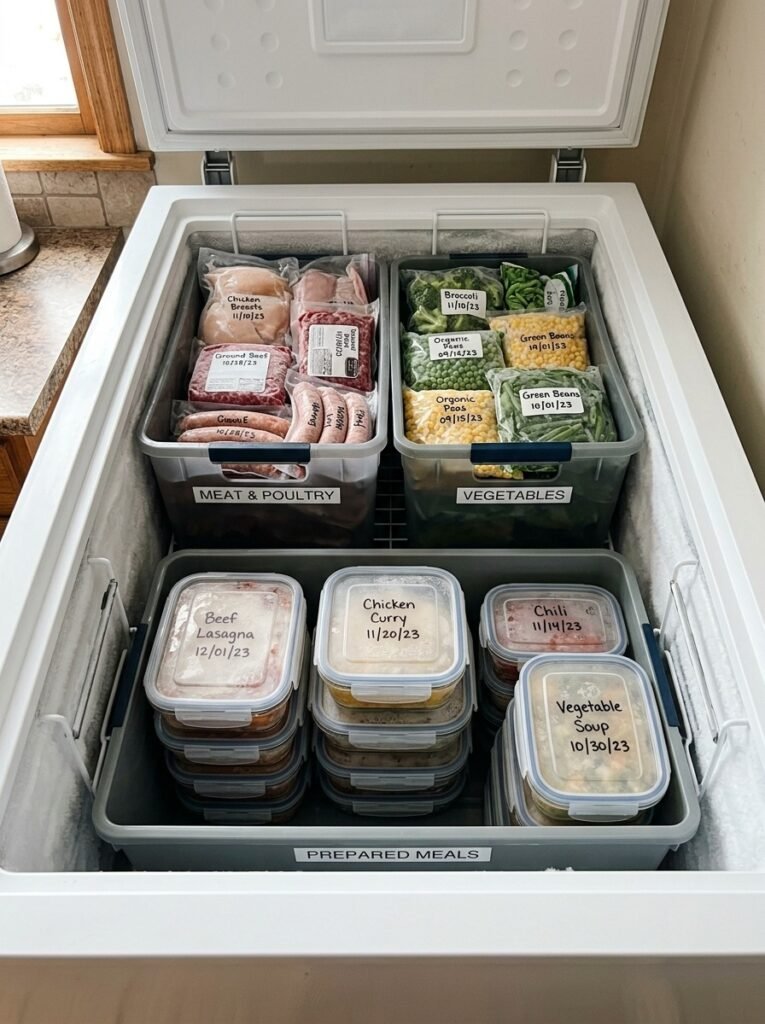
Dividing freezer storage into three zones, such as meat, vegetables, and prepared meals, prevents the common chaos of a freezer where items get buried and forgotten until they’re no longer identifiable or usable. This structure makes inventory management significantly more straightforward.
Use labeled bins or baskets to physically separate each of the three categories, positioning frequently used items toward the front or top for easy access. This organizational system reduces food waste by keeping everything visible and properly categorized rather than randomly stacked.
This approach to freezer organization proves particularly valuable for households who buy in bulk or meal prep regularly, ensuring stored food actually gets used before it’s forgotten.
22. Three Drawer Foil and Wrap Storage
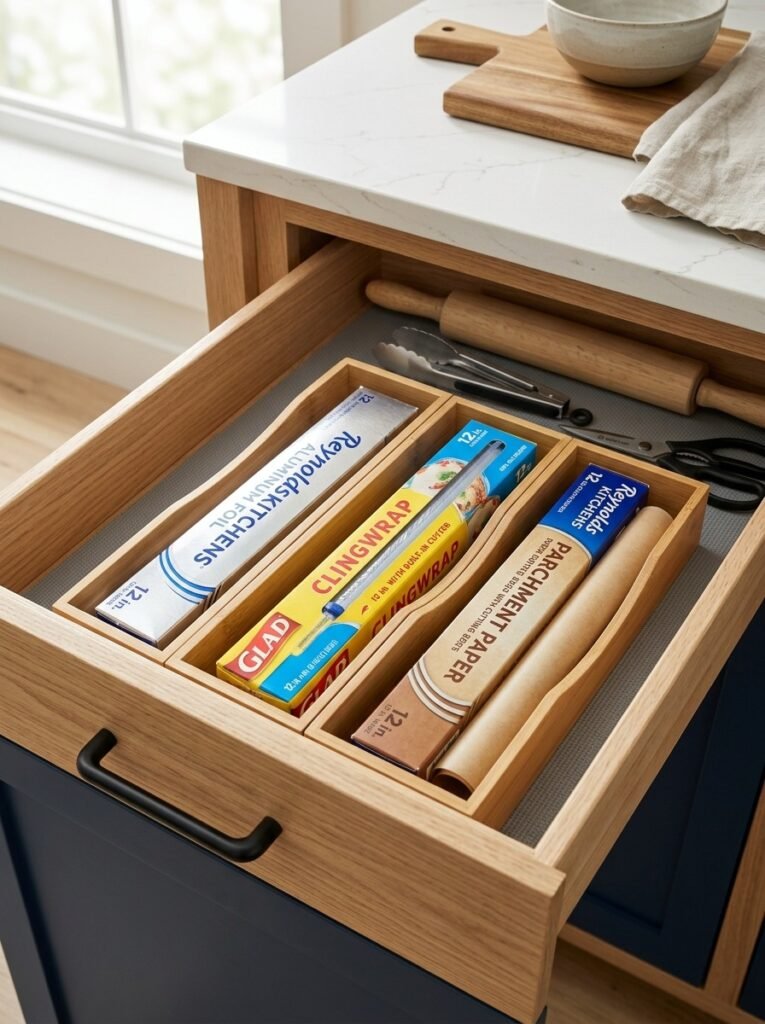
Organizing foil, plastic wrap, and parchment paper into three designated drawer sections keeps these frequently used kitchen wraps easily accessible without the awkward, oversized boxes cluttering cabinet shelves. This vertical drawer storage also protects the boxes from bending or crushing.
Choose a drawer with appropriate depth for standard-sized boxes, using simple dividers to keep each of the three wrap types in its own designated section. This organization prevents the common frustration of searching through a jumbled cabinet for the specific wrap needed during meal preparation.
This straightforward organizational solution addresses a commonly disorganized kitchen category, creating genuine efficiency for one of the most frequently accessed storage areas during everyday cooking.
23. Three Section Lunch Prep Station
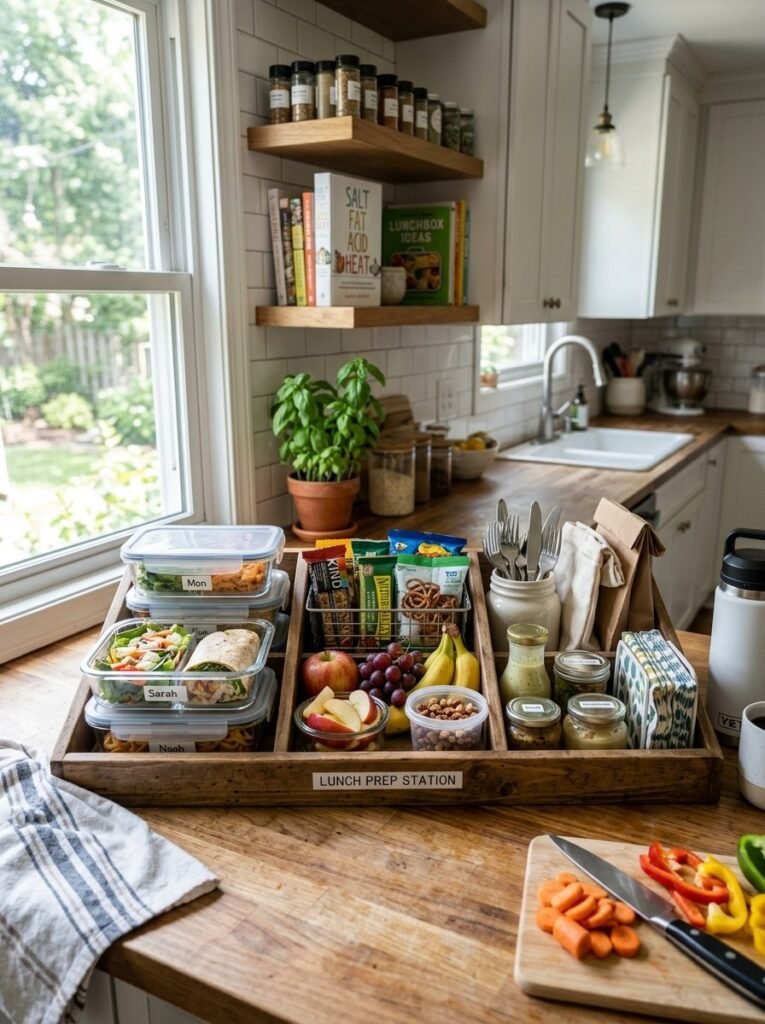
A three-section lunch prep station organizes containers, snacks, and utensils into distinct zones, streamlining the often-rushed morning process of packing lunches for school or work. This dedicated system reduces the scramble of searching multiple cabinets during busy weekday mornings.
Position this station in a convenient counter or cabinet area, keeping reusable containers in one section, grab-and-go snacks in another, and utensils or napkins in the third. This organized approach significantly speeds up the daily lunch-packing routine for busy families.
This practical application of the rule of three addresses a genuine daily household challenge, transforming a potentially chaotic morning task into a streamlined, efficient routine.
The rule of three works just as well for kitchen organization as it does for styling, breaking overwhelming storage areas into simple, manageable categories that are easy to maintain long-term. From three-zone pantries and freezer sections to divided drawers and grouped canisters, these 23 ideas show how this small mental framework can bring order to nearly every corner of the kitchen.
The real value of this approach is that it removes decision fatigue from everyday organization. Once you’ve established your three categories for a given space, whether that’s a drawer, cabinet, or fridge shelf, restocking and tidying becomes almost automatic rather than requiring you to figure out where things go each time.
Start with whichever area of your kitchen feels the most chaotic right now, since that’s usually where a simple three-part system will make the biggest difference. Save your favorite ideas from this list, tackle one space at a time, and enjoy the lasting ease that comes from a genuinely organized kitchen.